Uncovering the stories behind the boxes, meet the people helping to bring Alexandra Palace’s history to life.
Last year, Alexandra Park and Palace Charitable Trust was awarded a £6,000 cataloguing grant from the Business Archives Council to support the next stage of developing the Alexandra Palace archive. The grant funded a project archivist to work through a significant collection of photographs, architectural plans, business records and memorabilia, discovered during the 2016 renovation of the Victorian Theatre.
Much of this material relates to the redevelopment of Alexandra Palace in the 1980s, offering a valuable insight into a transformative period in the Palace’s history.
Chris Olver shares more about his work and what he’s uncovered so far.

What does a typical day look like when cataloguing Ally Pally’s records?
A typical day involves working through around 20 boxes of material, out of nearly 400 discovered during the 2016 Victorian Theatre renovation. The key is figuring out where the material comes from, whether that’s a particular department, date or project, and then working through it one box at a time.
Did you explore the Palace or find a favourite spot?
I lived in North London for about eight years, so I was already familiar with the Palace, but I was still struck by the scale of the place. It was interesting seeing things in the records, like proposals, and then looking out and realising exactly where they would have been. I was also surprised by the extent of the park; what exists today is only a fraction of what used to be there. Once you know something existed, like the train station next to the Palace, you can start to see it.
What makes this collection unique compared to others you’ve worked on?
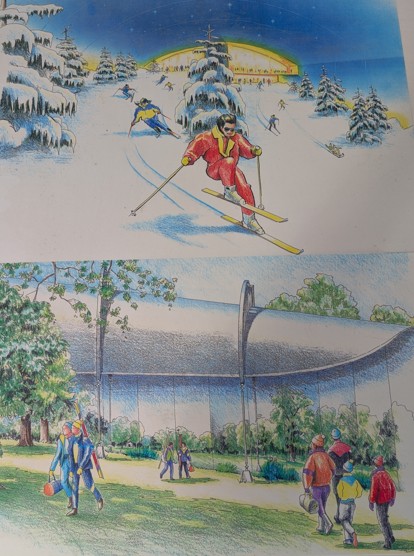
It really is the People’s Palace, there’s over 150 years of history here. The material I’ve been working through, hundreds of boxes discovered during the 2016 Theatre renovations, mostly relates to the 1980s redevelopment. There are proposals, plans and public opinion surveys. I like that you get a sense of both what happened, and what didn’t happen. There’s lots on ice skating, large exhibition spaces, and ideas that were never built, like an indoor dry ski slope and a cable car scheme!
What’s your favourite discovery so far?
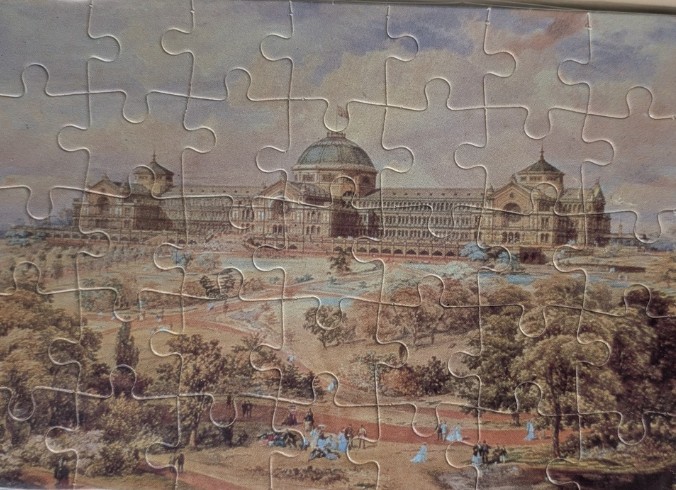
One of the most unusual things I’ve found was opening a box to discover a Skol ashtray with five cigarette butts still in it. It feels very much of its time, the kind of ashtray you’d have seen at a snooker tournament. There’s also a box with around 50 jigsaw puzzles of the original 1870 Palace, although they’re a bit warped now, so it would be a challenge to put them together.
What’s the biggest challenge of working with the collection?
The scale of the material. It’s very rich in documentation, which makes it quite complex to organise, they relate to large building projects, with multiple contractors and layers of instructions and amendments, so it takes time to piece everything together.
How will this project change how people can interact with the Palace’s history?
This is another step towards creating a public archive service. The aim is to build a more detailed catalogue so people can see exactly what is held at Alexandra Palace via the National Archives, rather than just finding material about it elsewhere, so it increases the visibility of the collection.
What have you learned about the “Ally Pally spirit”?
There’s a real enthusiasm from the people connected to the Palace and a strong sense of investment from everyone for the archive. A lot of it has been preserved in its original state, which gives a very direct insight into the incredible history of the Park and Palace.