There are more than 7,000 trees in Alexandra Park and our resident expert, Stephen Middleton from The Friends of Alexandra Park, is highlighting some of his favourite species and the stories behind them.
There are more than 7,000 trees in Alexandra Park and our resident expert, Stephen Middleton from The Friends of Alexandra Park, is highlighting some of his favourite species and the stories behind them.
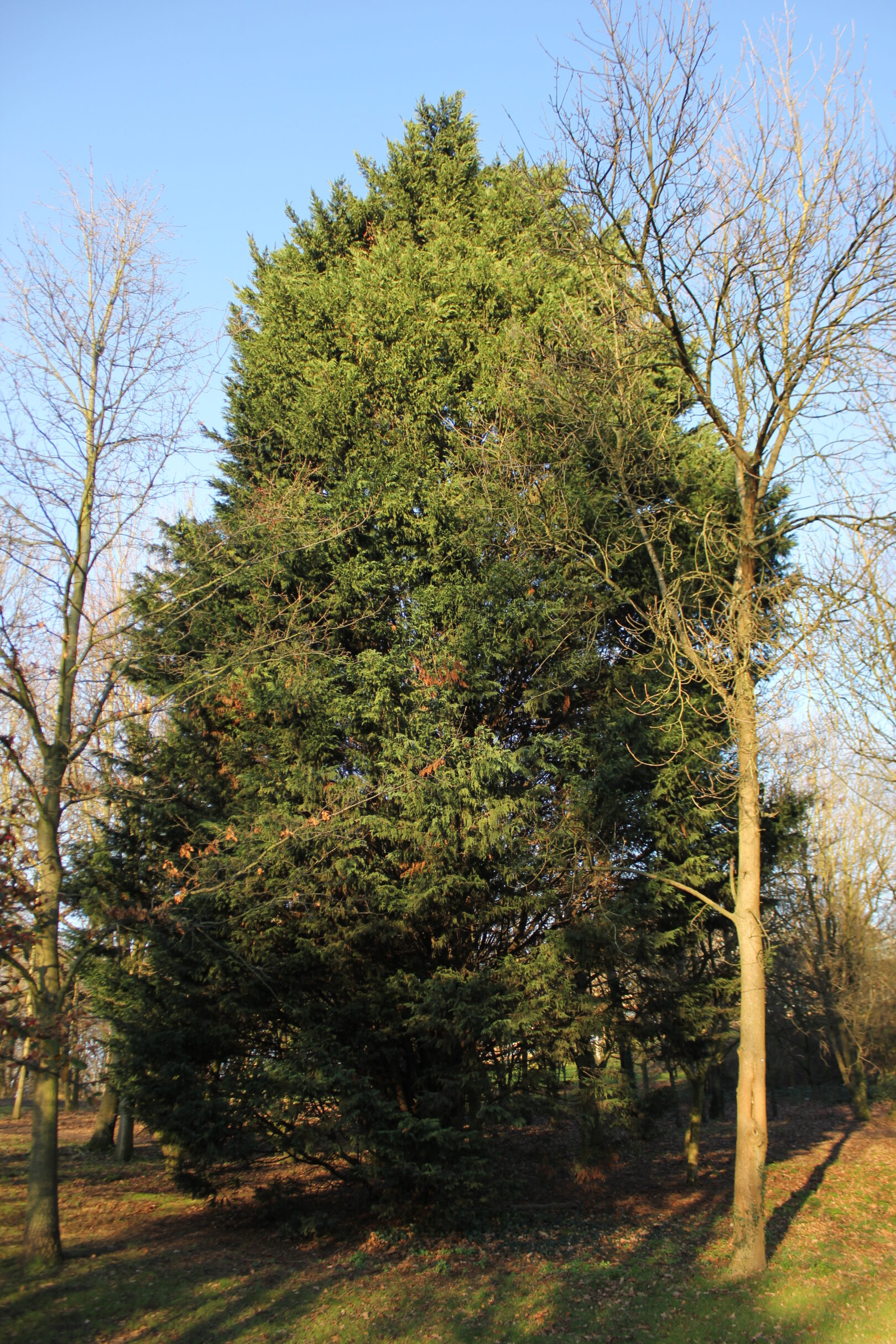
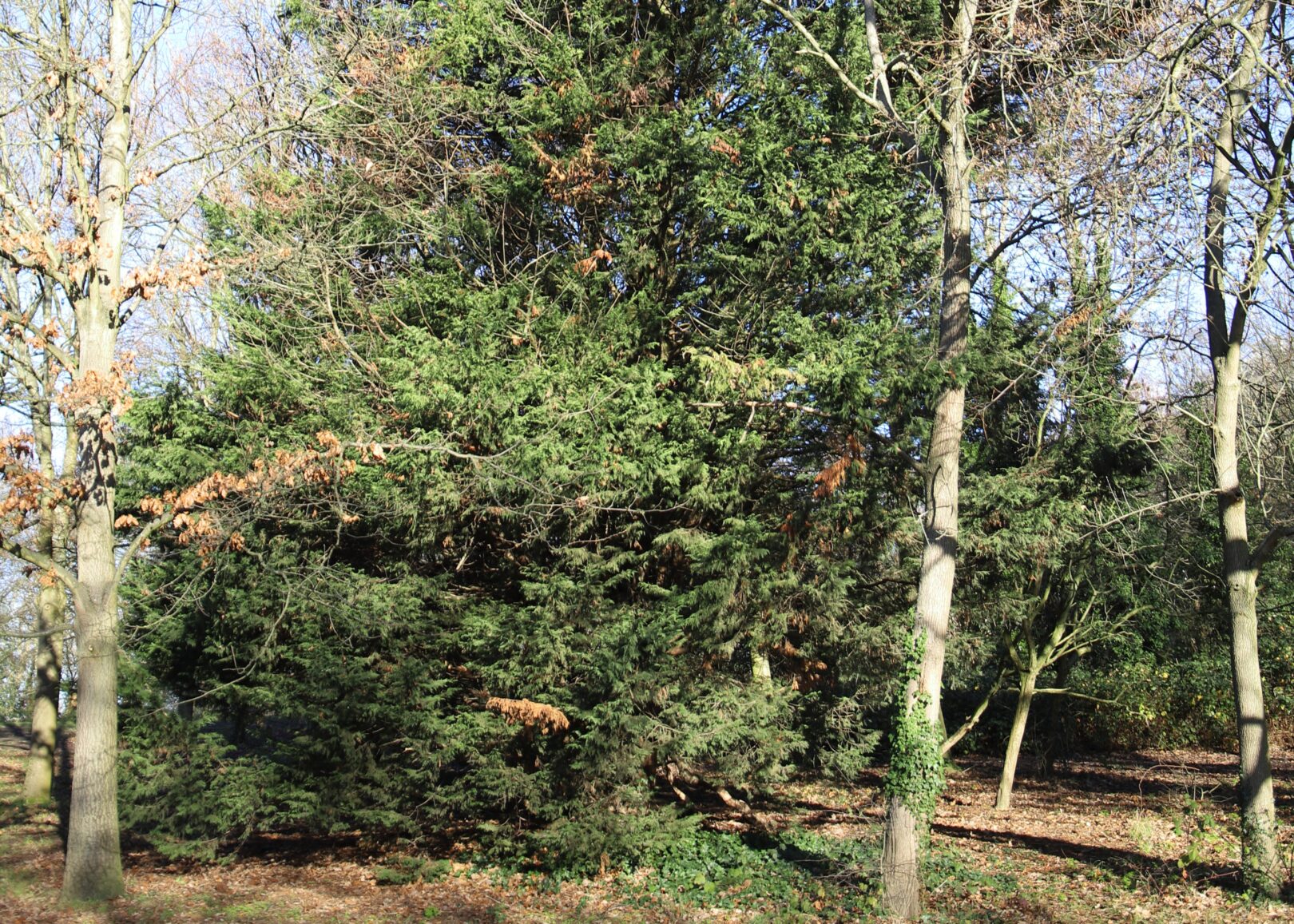
“Leylandii: the tree at the centre of suburban warfare” is one of the more eye-catching headlines (in The Guardian) about our December Tree of the Month. The Leylandii (× Hesperotropsis leylandii), or Leyland cypress, can grow into a tall tree, reaching over 30m in height. Our featured tree can be found just to the west of the two taller Giant Redwood trees visible from the road off Alexandra Palace Way, heading towards the Paddock car park.
The Leyland cypress is fast growing and is often valued for the way it quickly establishes itself in the landscape. It can grow at up to 1.25m a year, so if left unpruned for several years it can reach eight feet tall (about 2.4m) in a relatively short space of time. This rapid growth is one of the characteristics that has made the tree so widely planted. In its current position, our Tree of the Month sits comfortably in its surroundings.
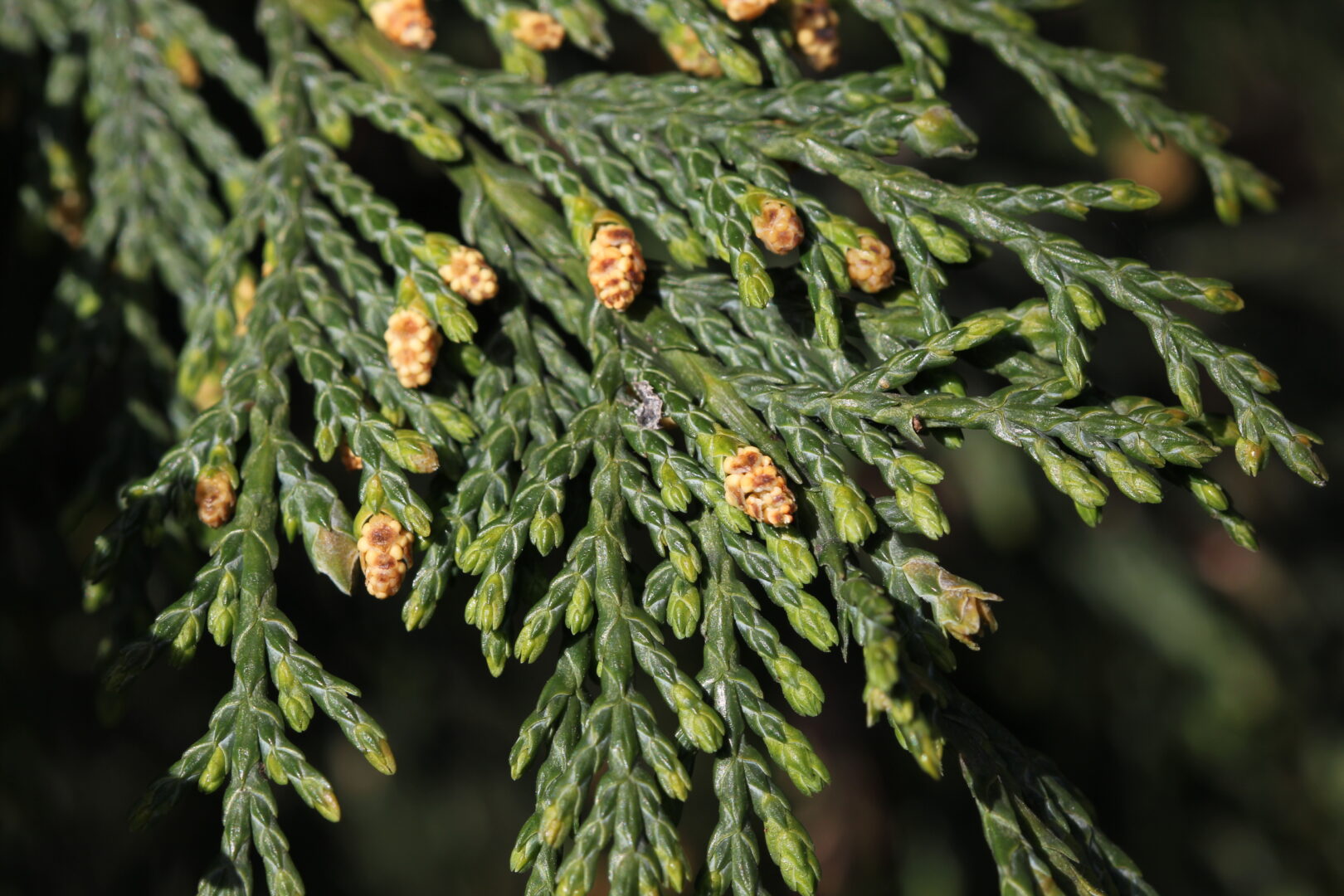
Leylandii is an evergreen conifer with small, scale-like leaves, insignificant flowers and, later, roundish cones. It is a hybrid of two trees from North America, the Nootka cypress and the Monterey cypress. It gets its hardiness from the Nootka cypress and its fast growth from the Monterey cypress.
The cross between these two trees, whose natural ranges do not overlap in the wild, occurred on a few occasions. The most notable was in 1888 on the Leighton Estate in Welshpool, owned by Christopher Leyland, from whom the tree takes its name.
The wood of the Leyland cypress can be used for turning and for some outdoor work, such as fencing. Painting it can be difficult, however, as it has a high resin content.
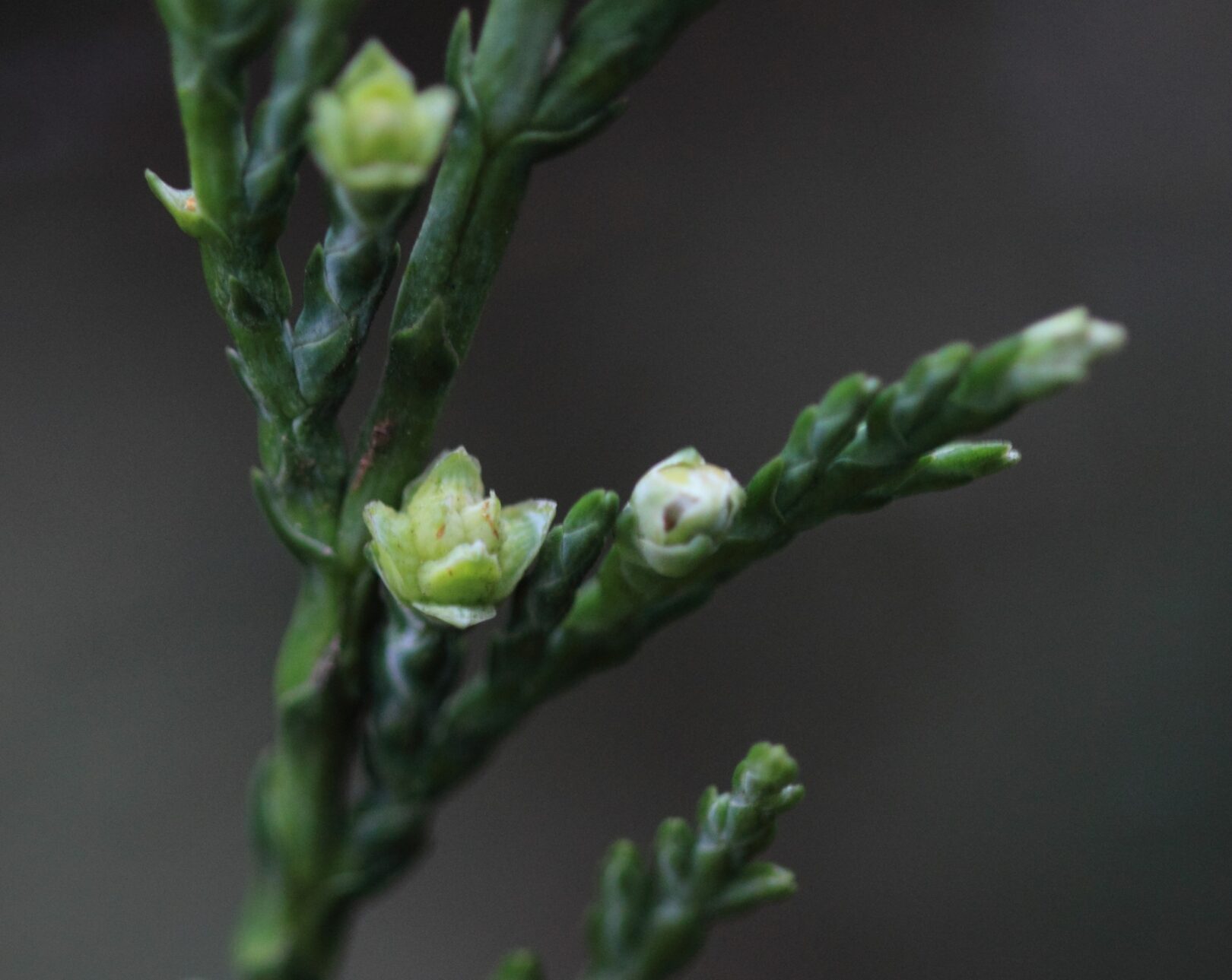
The scientific names of trees can be problematic. People are often encouraged to use them, but it is not always a straightforward process. With Leylandii, for example, its two parent trees have, over time and with improved knowledge and techniques, been found to be closely related. As a result, this tree has had several scientific names during its history, but × Hesperocupressus leylandii is now recognised as the official name by the International Dendrology (Tree) Society.
The “×” at the beginning of the name highlights something unusual about this tree; it is a cross between two trees that are not in the same genus, although they do belong to the same family. This would be rather like having a cross between an oak and a beech tree (both members of the beech family).