There are more than 7,000 trees in Alexandra Park and our resident expert, Stephen Middleton from The Friends of Alexandra Park, is highlighting some of his favourite species and the stories behind them.
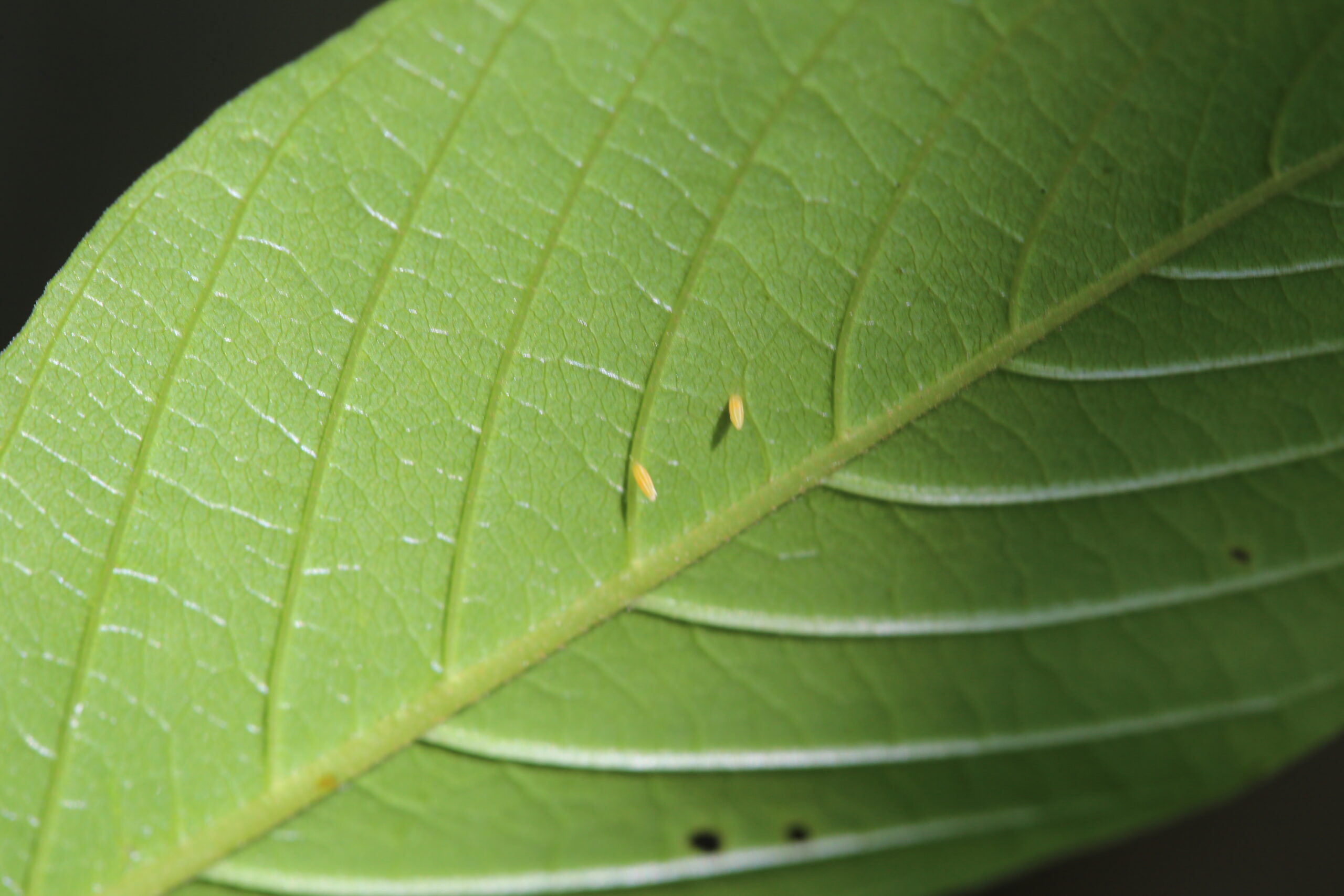
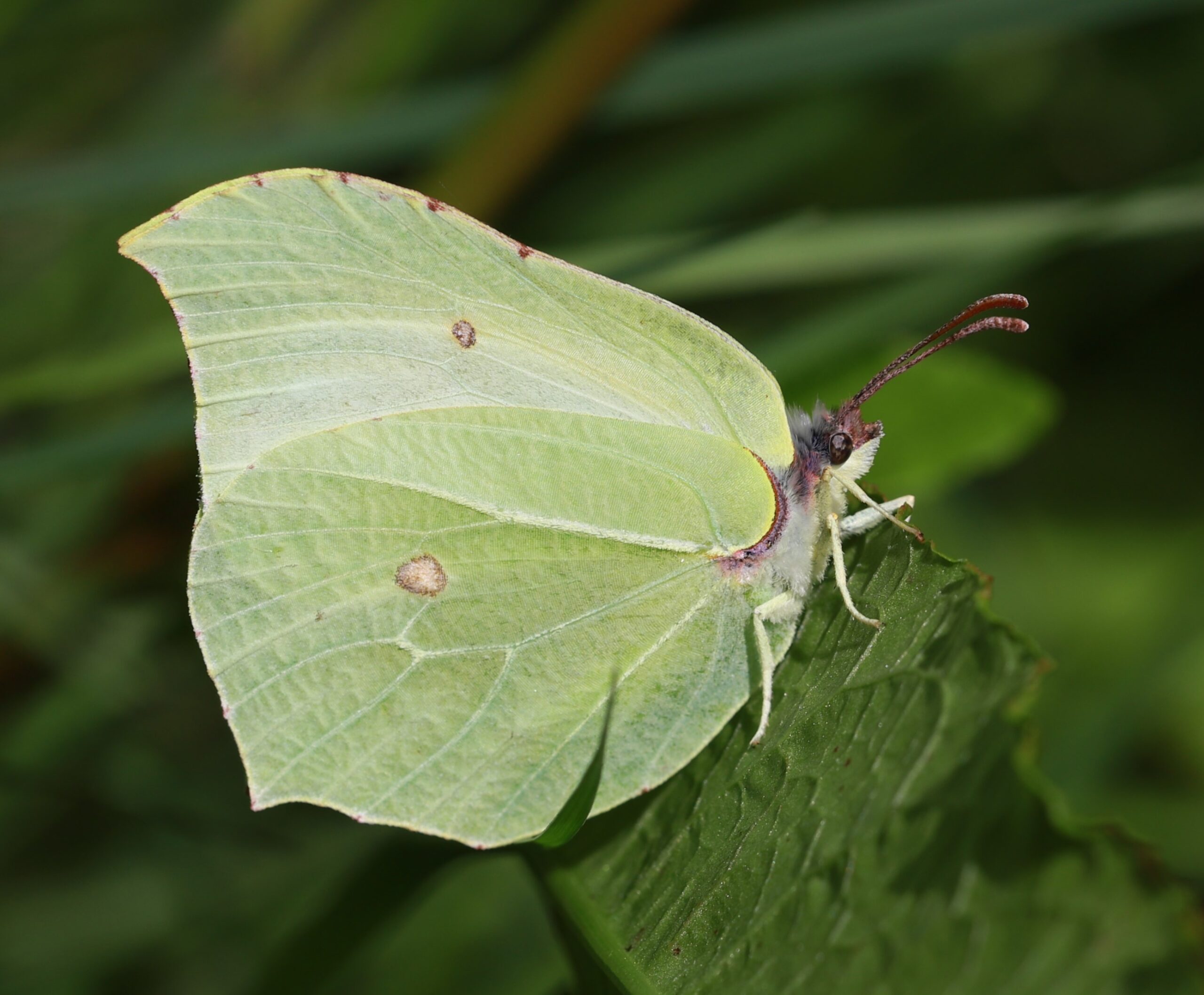
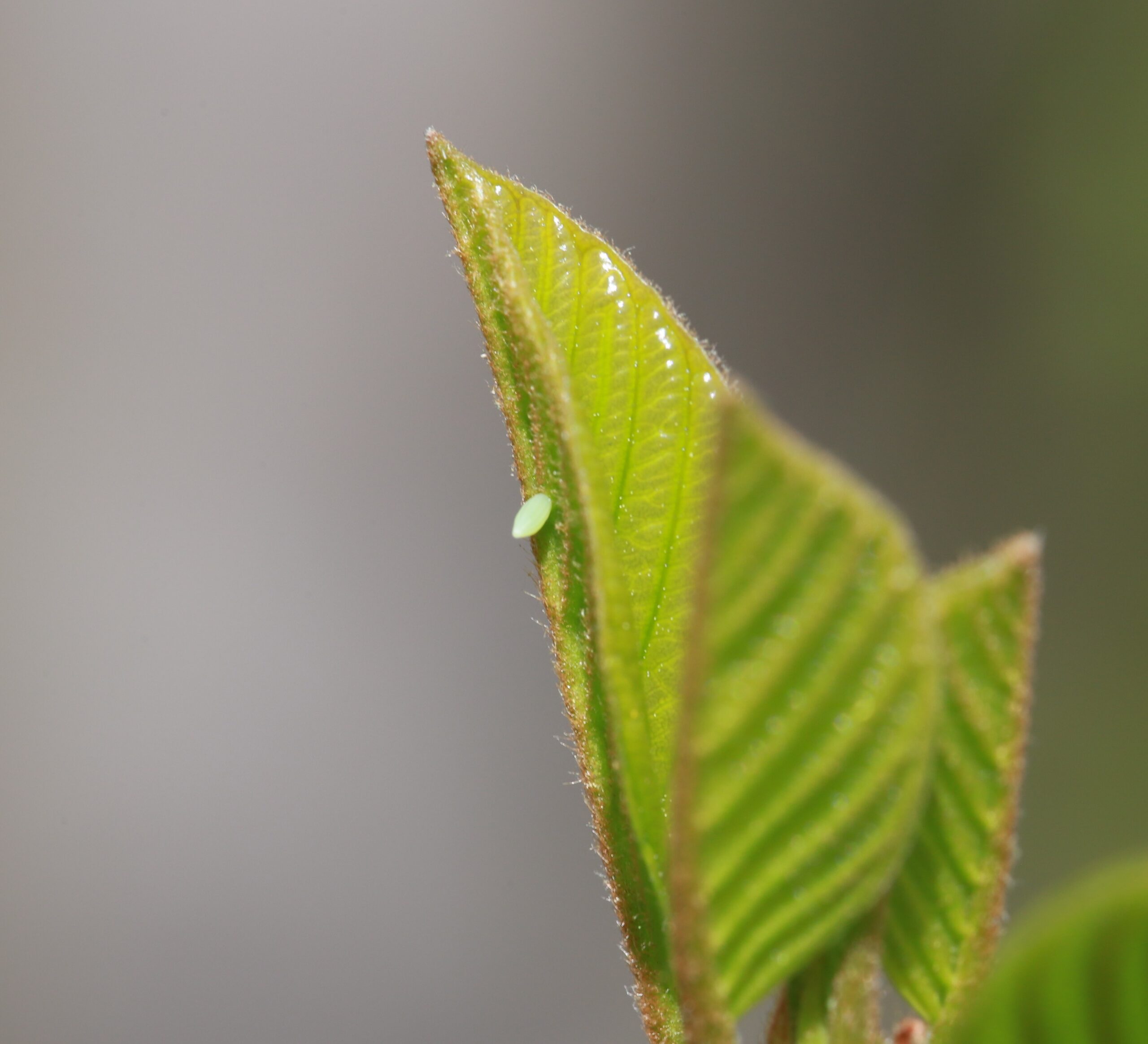
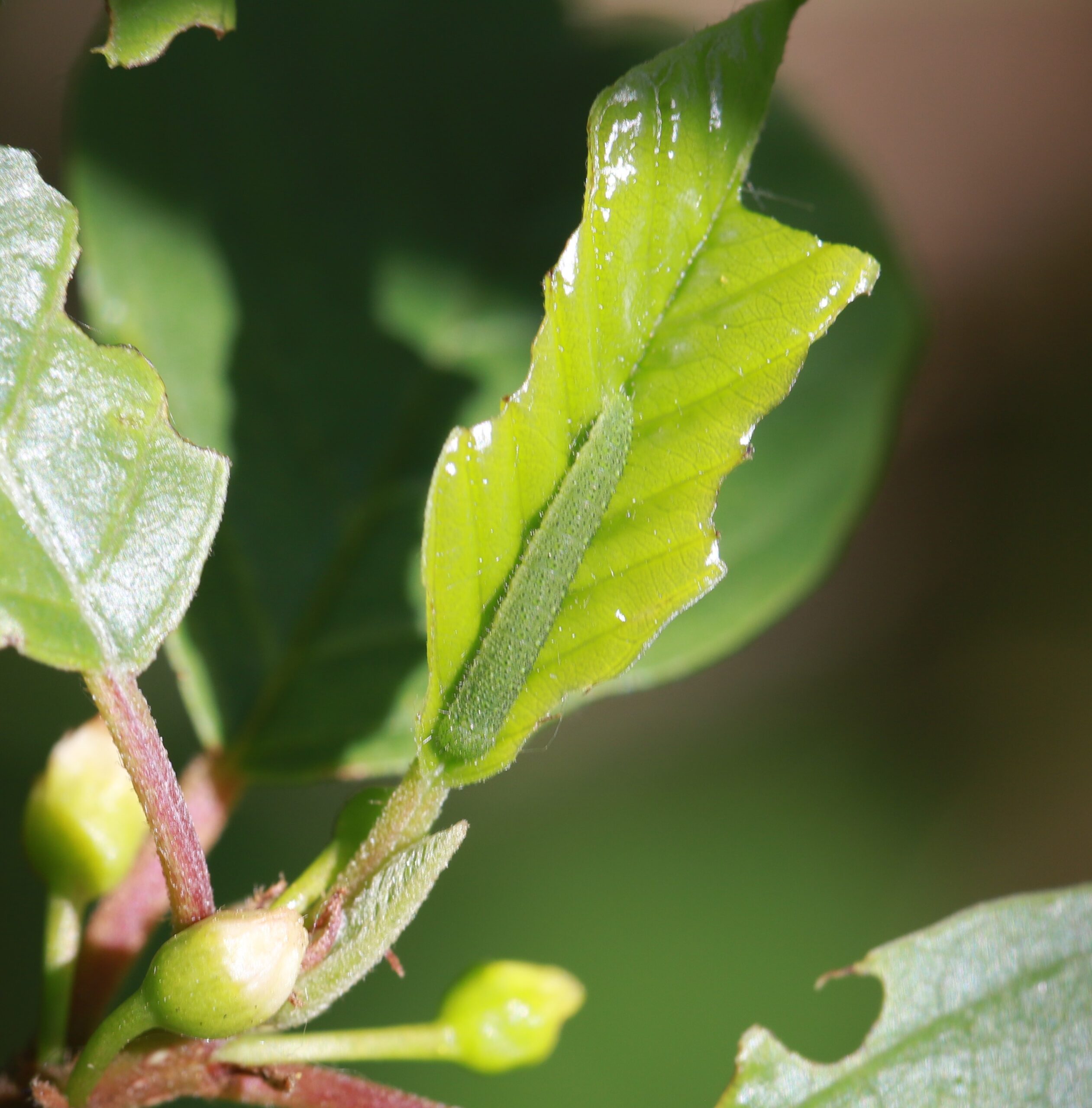
A Tree of the Month for butterfly lovers. The Alder Buckthorn (Frangula alnus) is the food plant of the brimstone butterfly caterpillars. You can often see the bright yellow (male) and paler (female) butterflies fluttering nearby. The eggs which are laid singly on the tree are small and difficult to see.
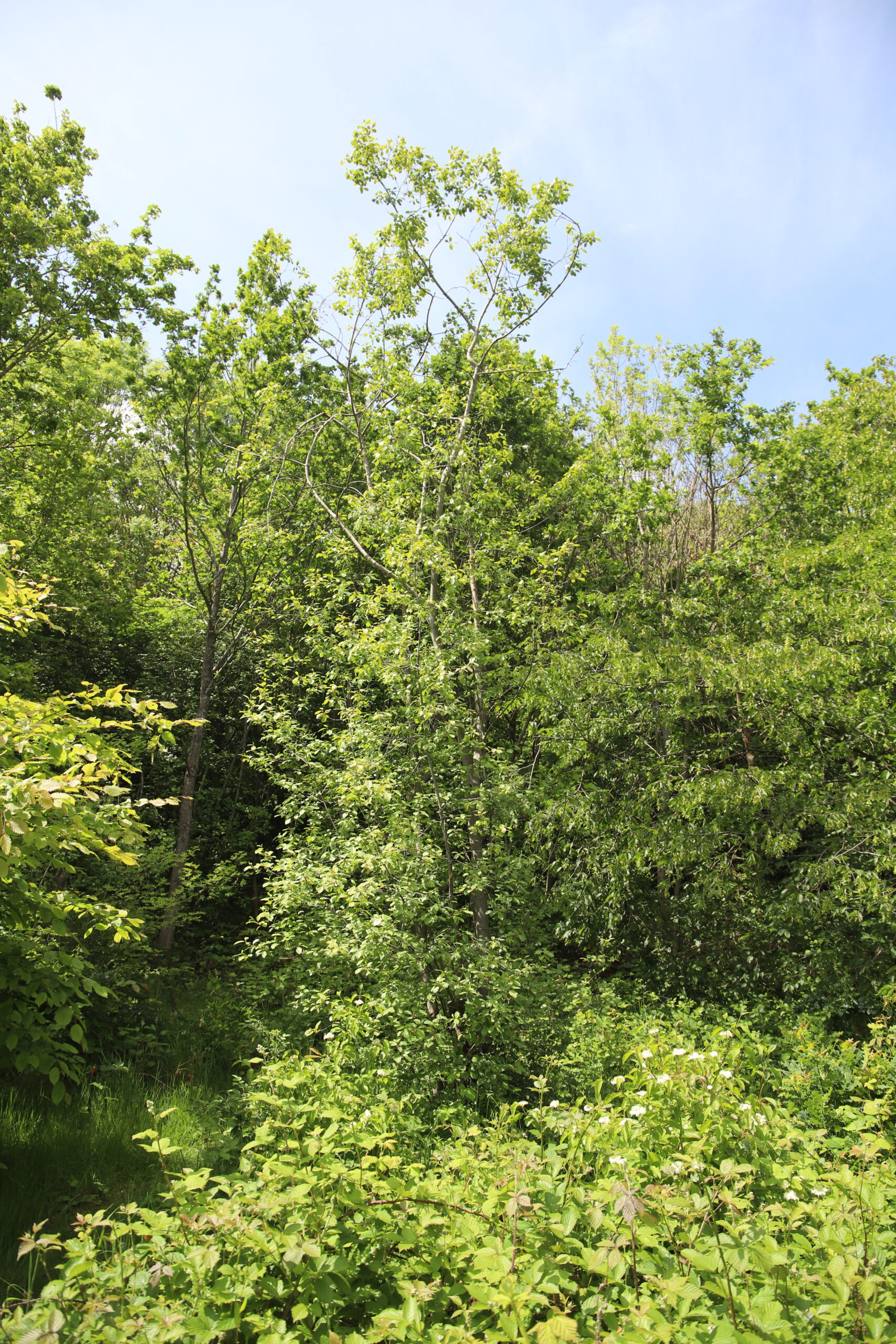
Walk along the Lower Road from the Bedford Road entrance past the petanque court on your left and into a small field (Anthill Meadow) to your right after a gap in a low hedge. The alder buckthorn stands at the top of this slope about half way along on the lower edge of the woodland.
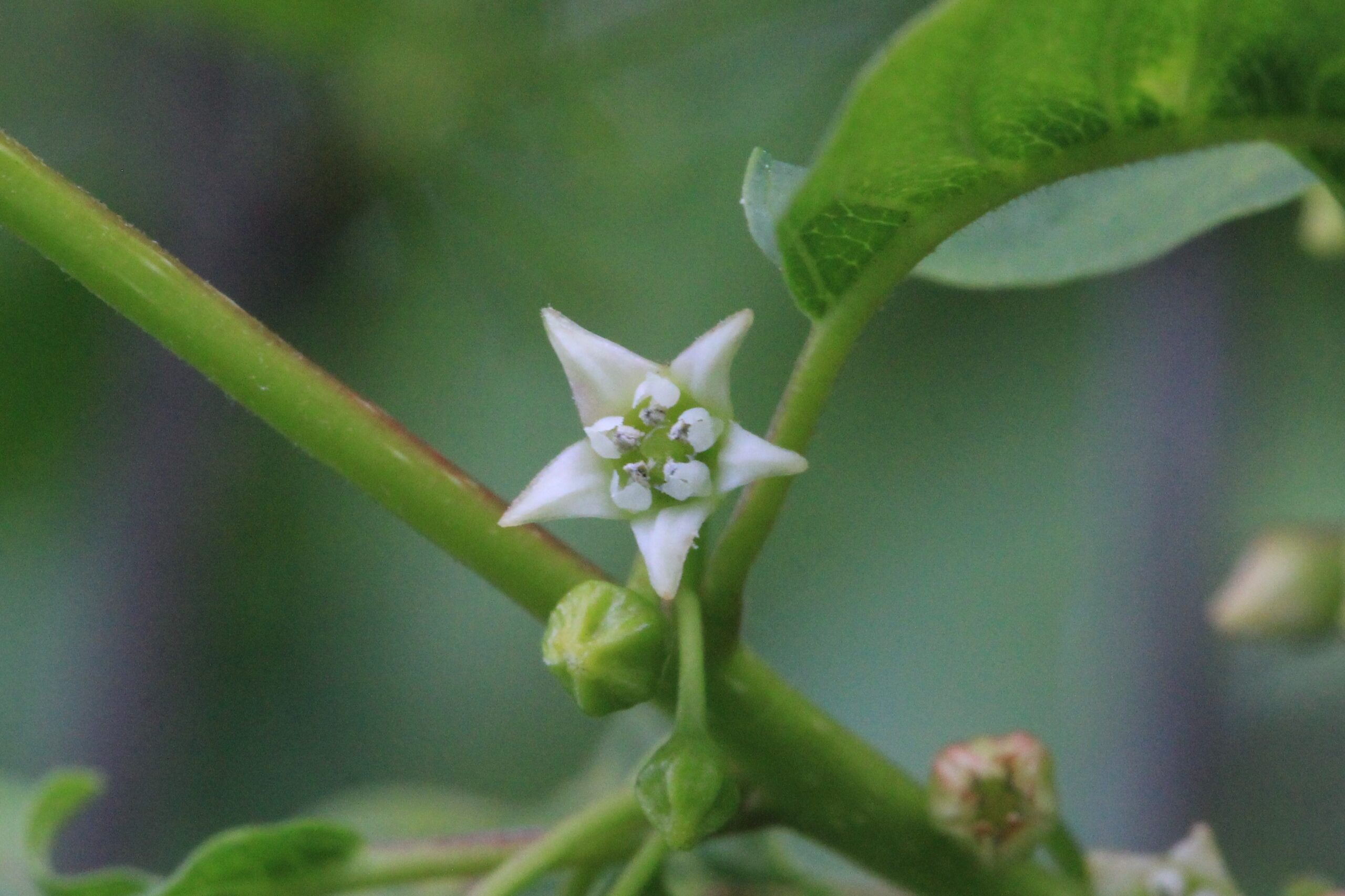
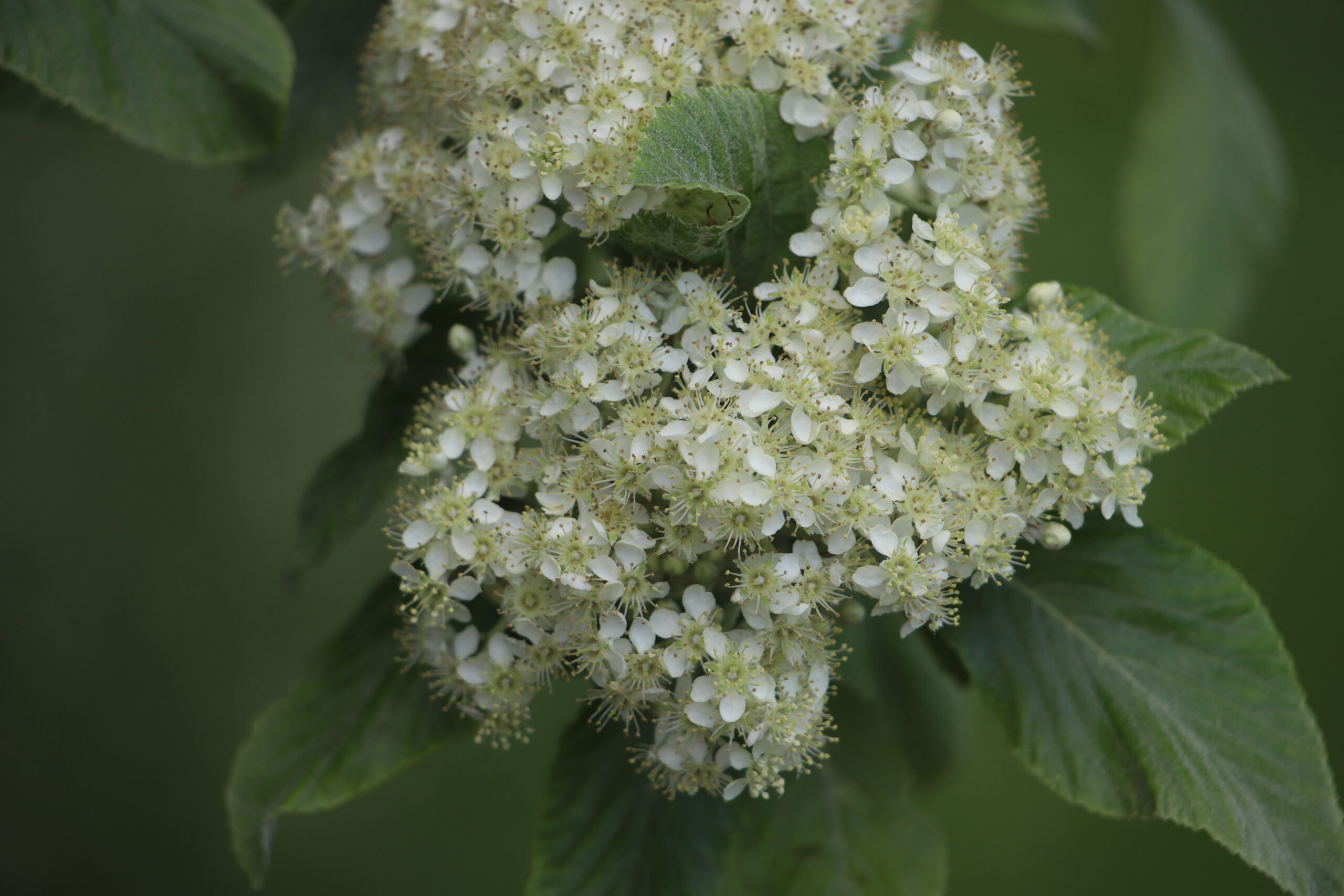
It is a small tree or large shrub and at this moment it is flowering, but the white flowers are really quite small. Later in the summer inedible berries will be produced and change in colour from green through red to black.
The alder buckthorn, confusingly, has no thorns although it does grow in damp sites with alders and this is perhaps where it acquired part of its name.
The wood is brittle hence the scientific name Frangulus from the latin frango meaning break – alnus means alder.
Our tree of the month is native to most of Europe and into North Africa and Asia. However, the species found its way to North America where it is now an invasive shrub.
In the past various parts of the tree were used as purgative, but be very aware of the extreme results. Different coloured dyes can be extracted from the berries, leaves and bark of the tree. The cut wood is an attractive yellow colour and makes a fine charcoal which has been used in explosives and fuses.
Nowadays, alder buckthorn either grows wild or is planted specifically to attract the brimstone butterflies.
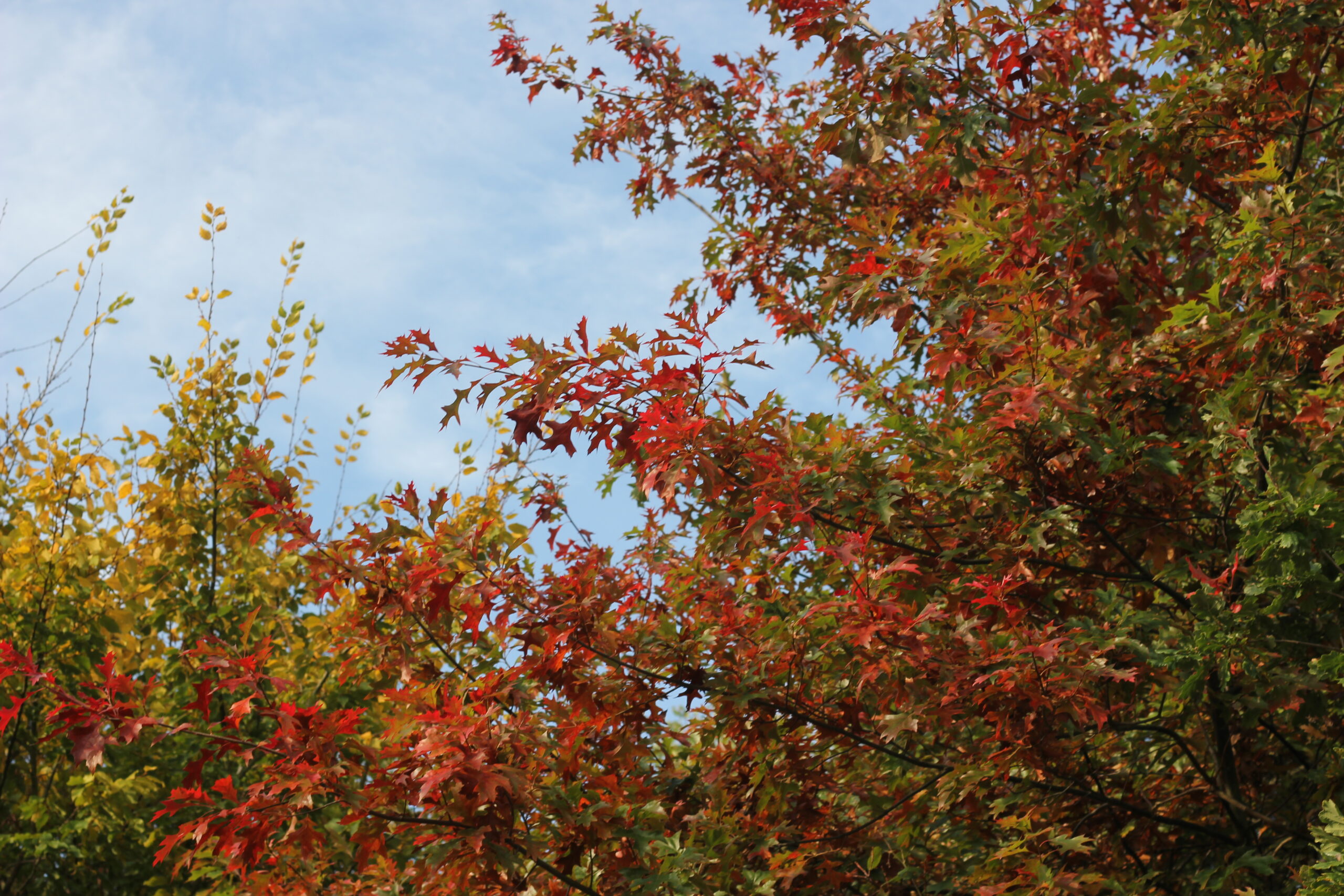
Other trees that are attractive to butterflies include holly, elm, willow, blackthorn and our native oaks.