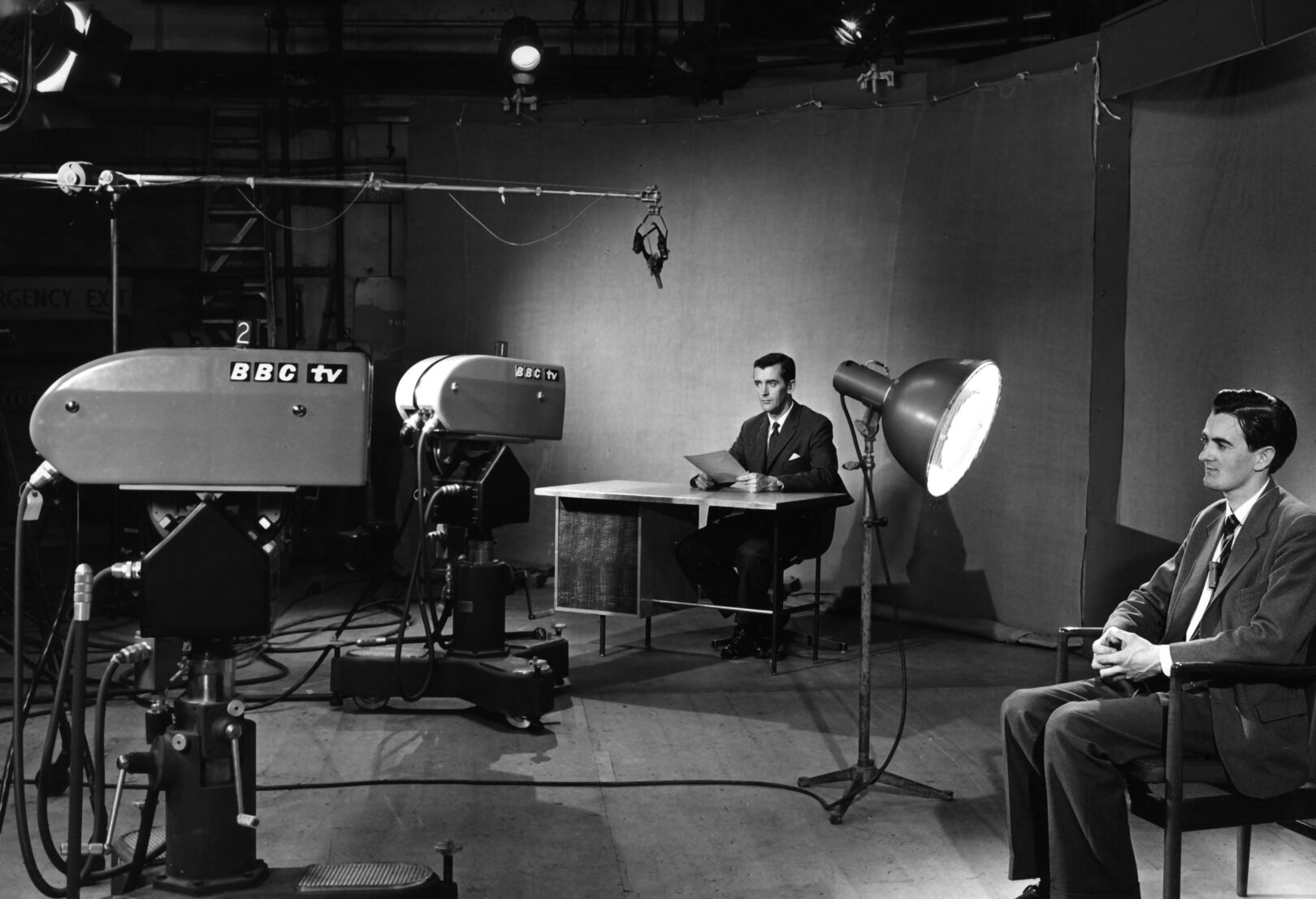
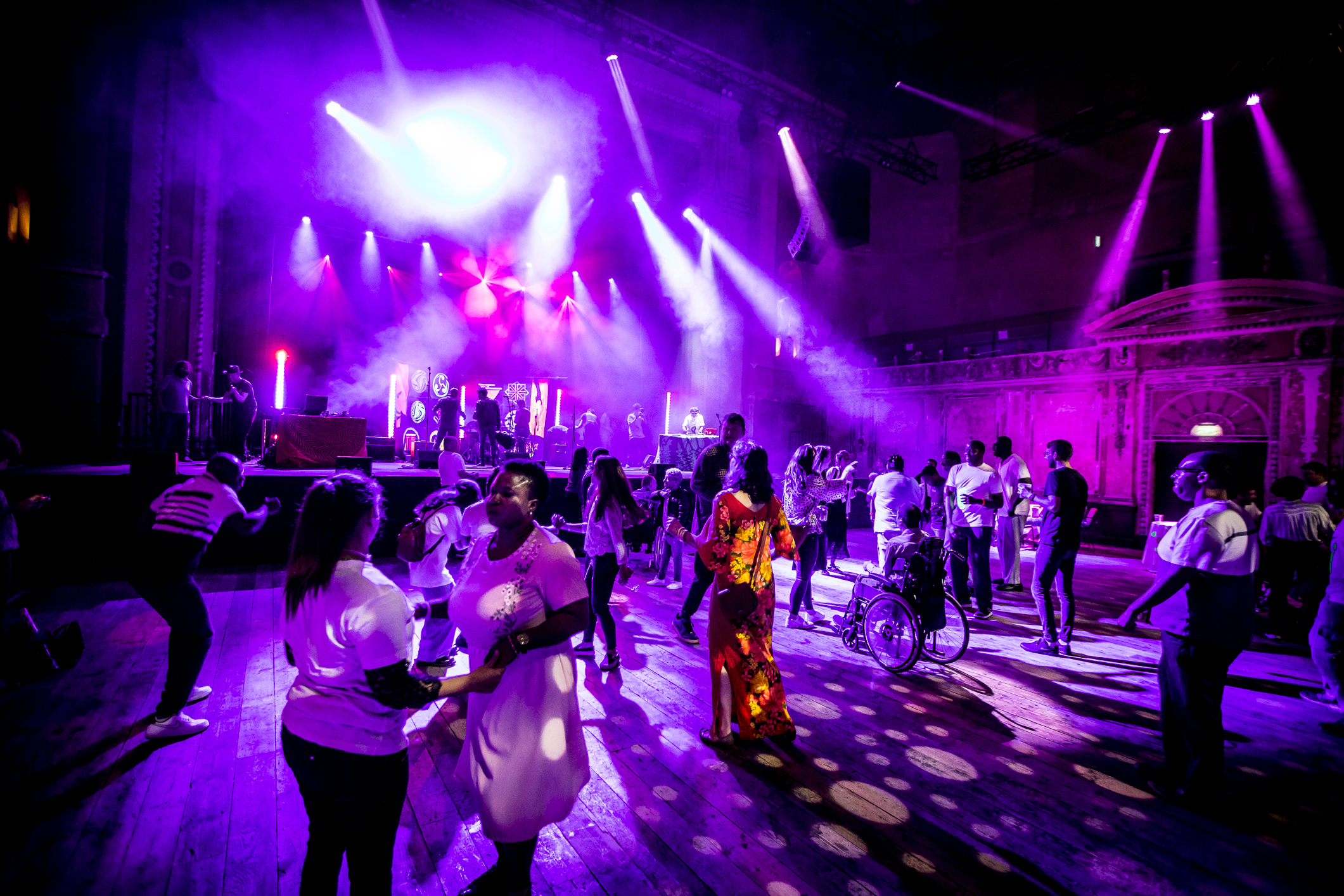
As part of BBC TV 90 at Ally Pally, our programme of events runing from September to November 2026, we’re looking back at 10 stories from the early years of BBC television at Alexandra Palace.
1. BBC Television began broadcasting at 3pm on 2 November 1936
On the afternoon of 2 November 1936 at 3pm, presenter Leslie Mitchell welcomed audiences in their homes with the now-famous words, “This is direct television from the studios at Alexandra Palace,” marking the launch of the world’s first regular public high-definition public television service.
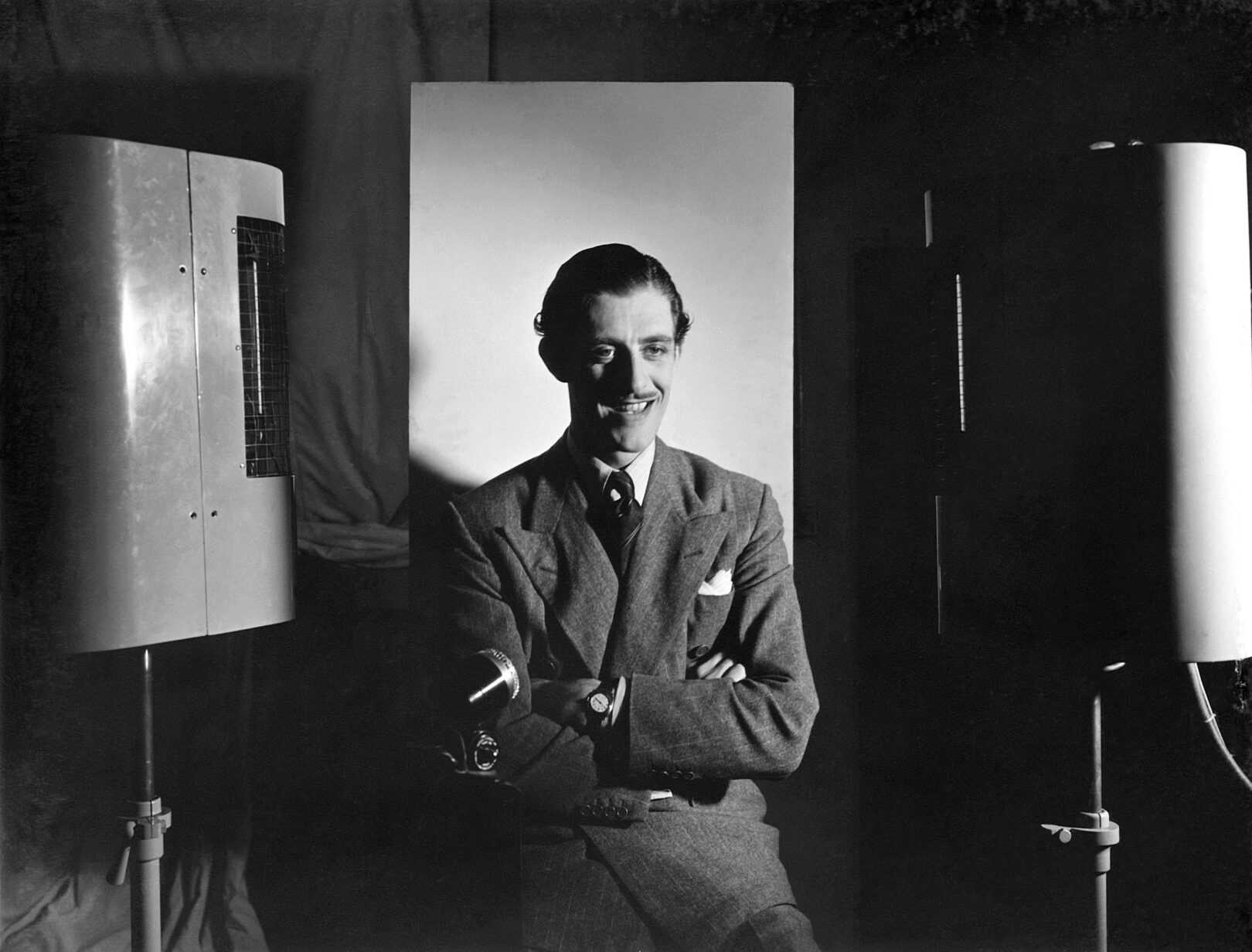
Leslie Mitchell, BBC Television (1936)
2. Women were at the forefront of television from the very beginning
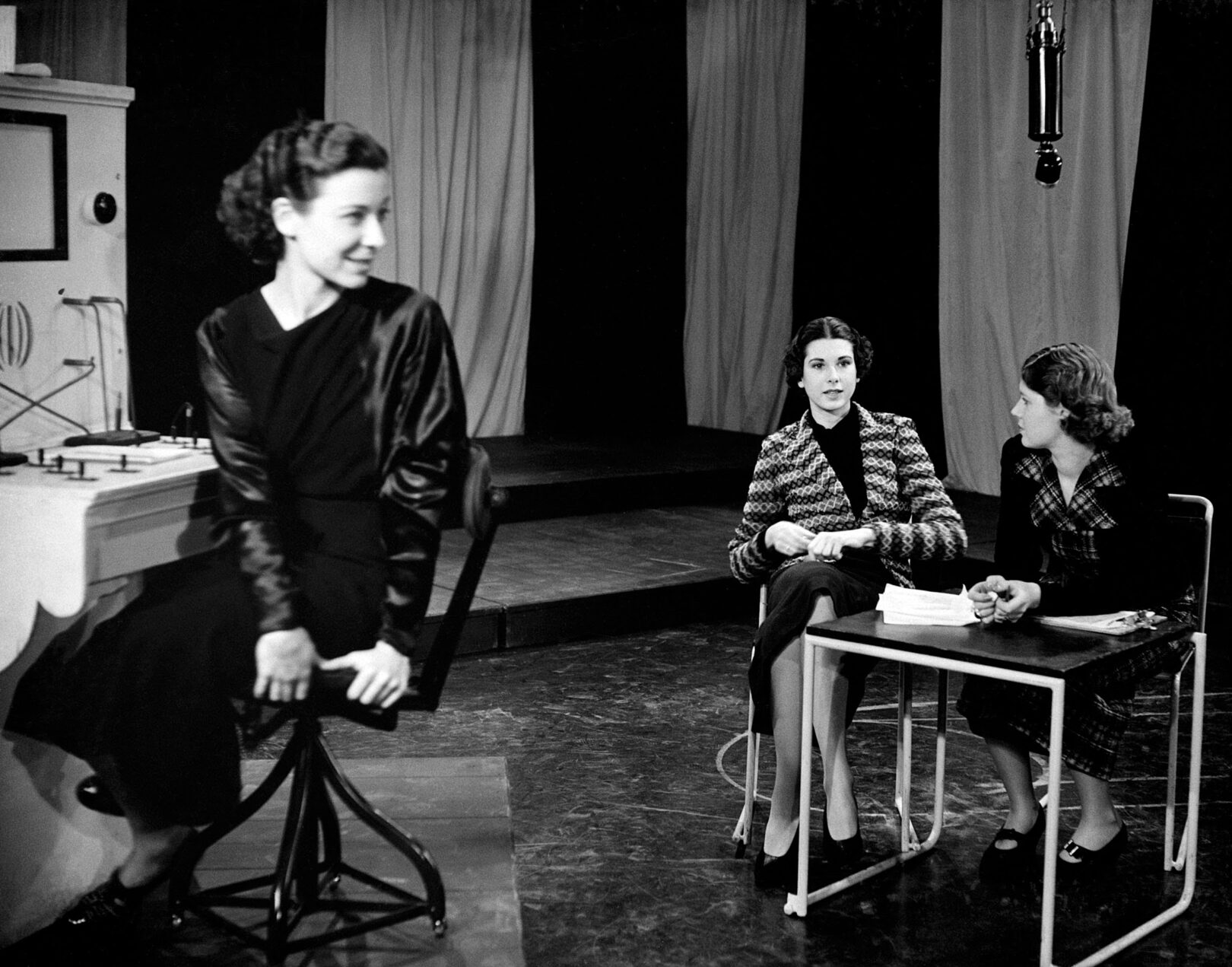
Women played a pioneering role in the earliest days of television at Alexandra Palace. Picture Page, the BBC’s most popular pre-war magazine-style programme, was hosted by Canadian actress Joan Miller, with Jasmine Bligh and Elizabeth Cowell among the BBC’s first television announcers.
Cowell had already appeared on screen before the official launch of the television service, during test transmissions from Alexandra Palace for the RadiOlympia exhibition in August 1936. The first edition of Picture Page was broadcast for test and trade purposes on 8 October 1936, before becoming a fixture of the BBC’s early television schedules.
3. The opening day featured a song written especially for television
Musical theatre and radio star Adele Dixon performed Television live on the opening day of the BBC television service on 2 November 1936, accompanied by the BBC Television Orchestra under conductor Hyam Greenbaum.
The pioneering schedules were an eclectic mix of entertainment, featuring singers, dancers, musicians and variety performers, including the plate-spinning act, The Lai Founs.
4. The BBC was worried television might interfere with everyday life
The first afternoon’s television service lasted just one hour before closing down at 4pm for the next five hours.
The BBC’s then Director of Television, Gerald Cock, advocated breaks between programmes partly to avoid “eye strain” for viewers. The new television schedules were also designed around domestic life, including mealtimes and children’s bedtimes, to not impact life at home.
5. Television gardening began at Ally Pally
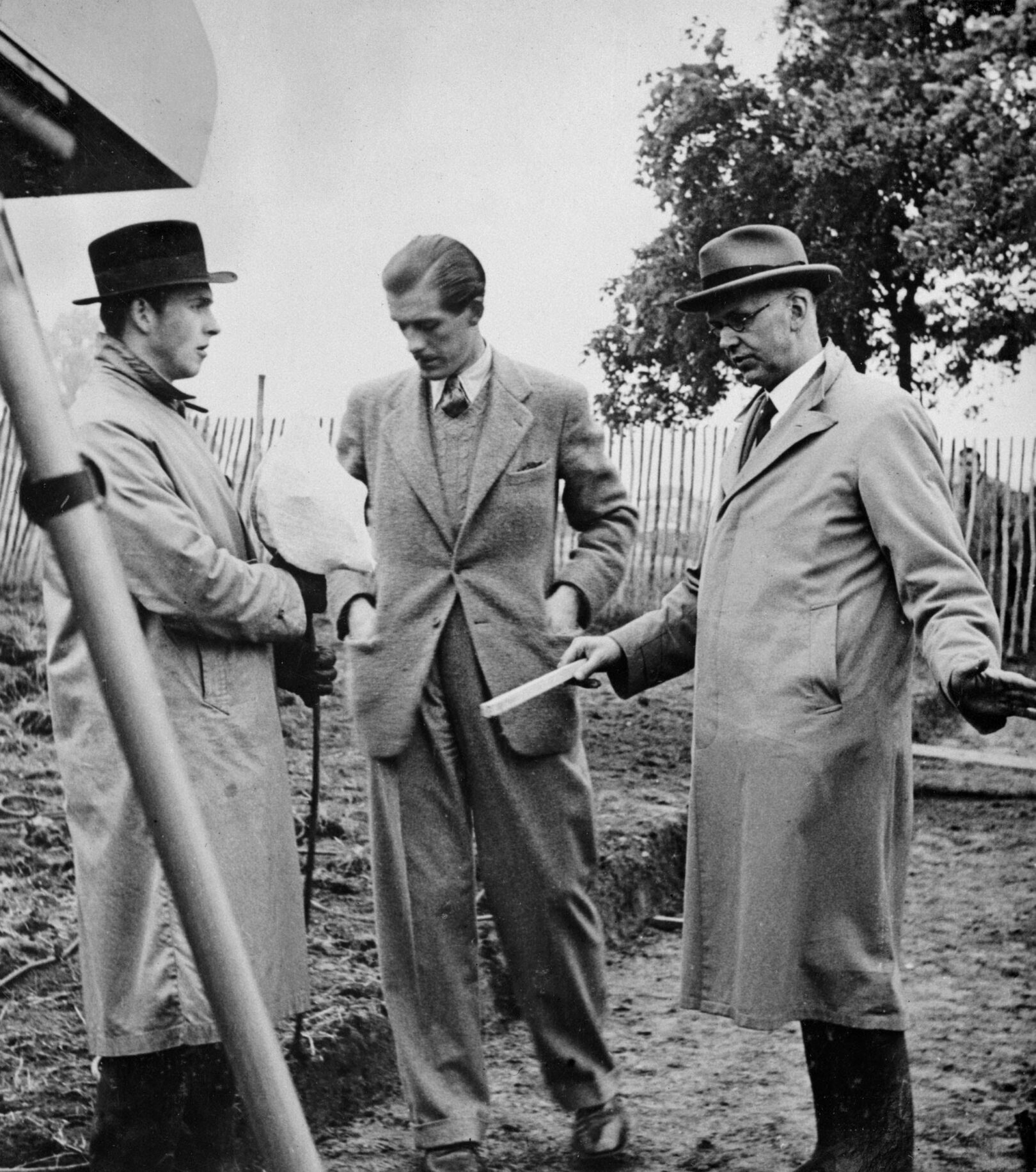
On 21 November 1936, Cecil Henry Middleton presented In the Garden from a purpose-built garden at Alexandra Palace, establishing a television format that remains familiar to audiences today.
Already a well-known voice on BBC radio, “C.H.” Middleton made the move to television as the fledgling service experimented with the kinds of programmes that would work on screen.
6. Television went dark for almost seven years during the Second World War
On 1 September 1939, the BBC television service was abruptly suspended as Britain prepared for war. The last transmission before television screens went dark was a Mickey Mouse cartoon, Mickey’s Gala Premiere.
Regular BBC television broadcasting resumed on 7 June 1946, with announcer Jasmine Bligh famously greeting returning viewers with the question: “Do you remember me?”
7. Muffin the Mule became one of children’s television’s earliest stars
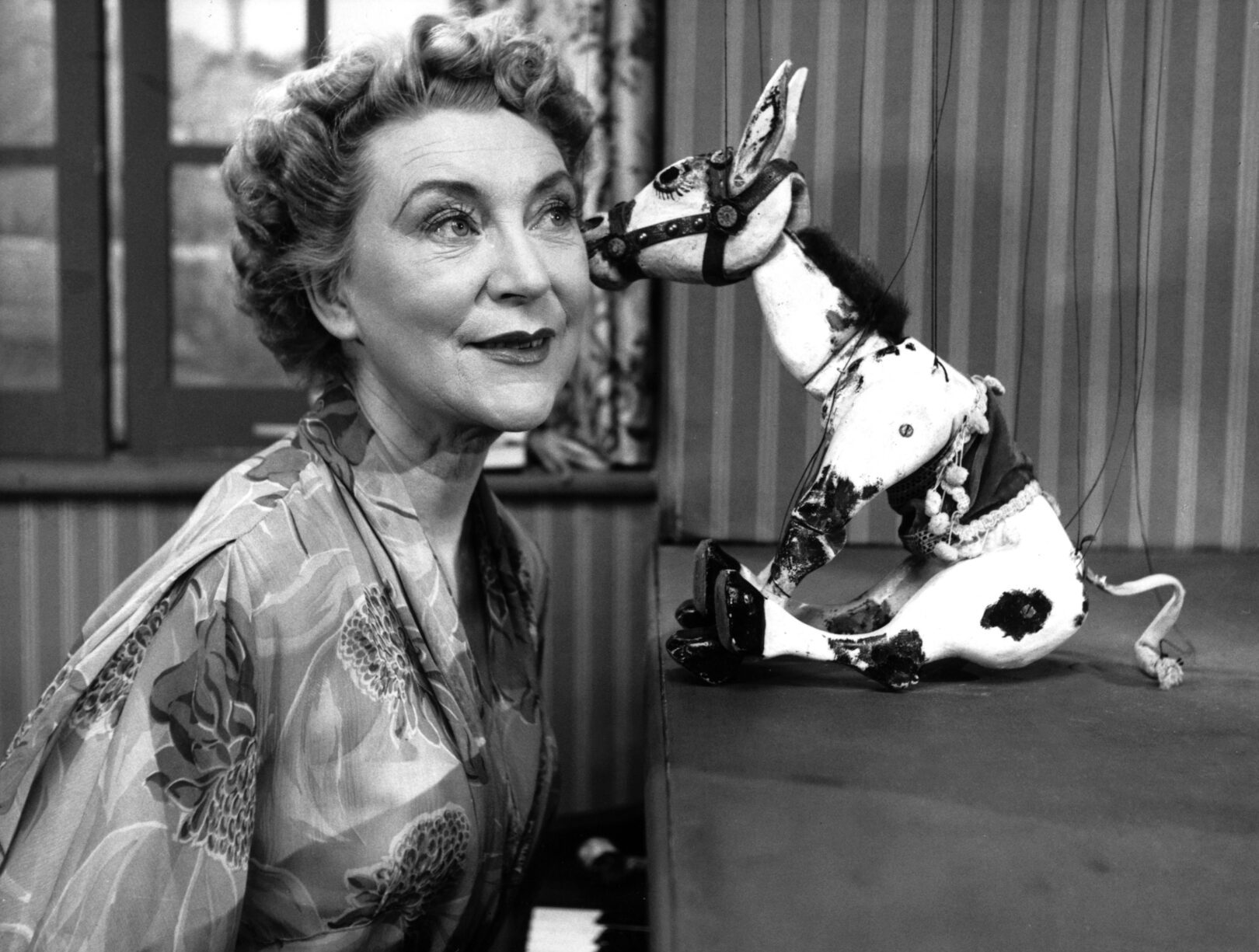
The beginning of children’s television grew from Alexandra Palace. In 1946, pianist and songwriter Annette Mills appeared alongside the wooden marionette Muffin the Mule, operated by puppeteer Ann Hogarth, in For the Children.
Muffin The Mule became one of the first genuine stars of children’s television, entertaining a generation of young viewers at a time when only a few hours of television were broadcast each day.
8. Alexandra Palace reshaped election night
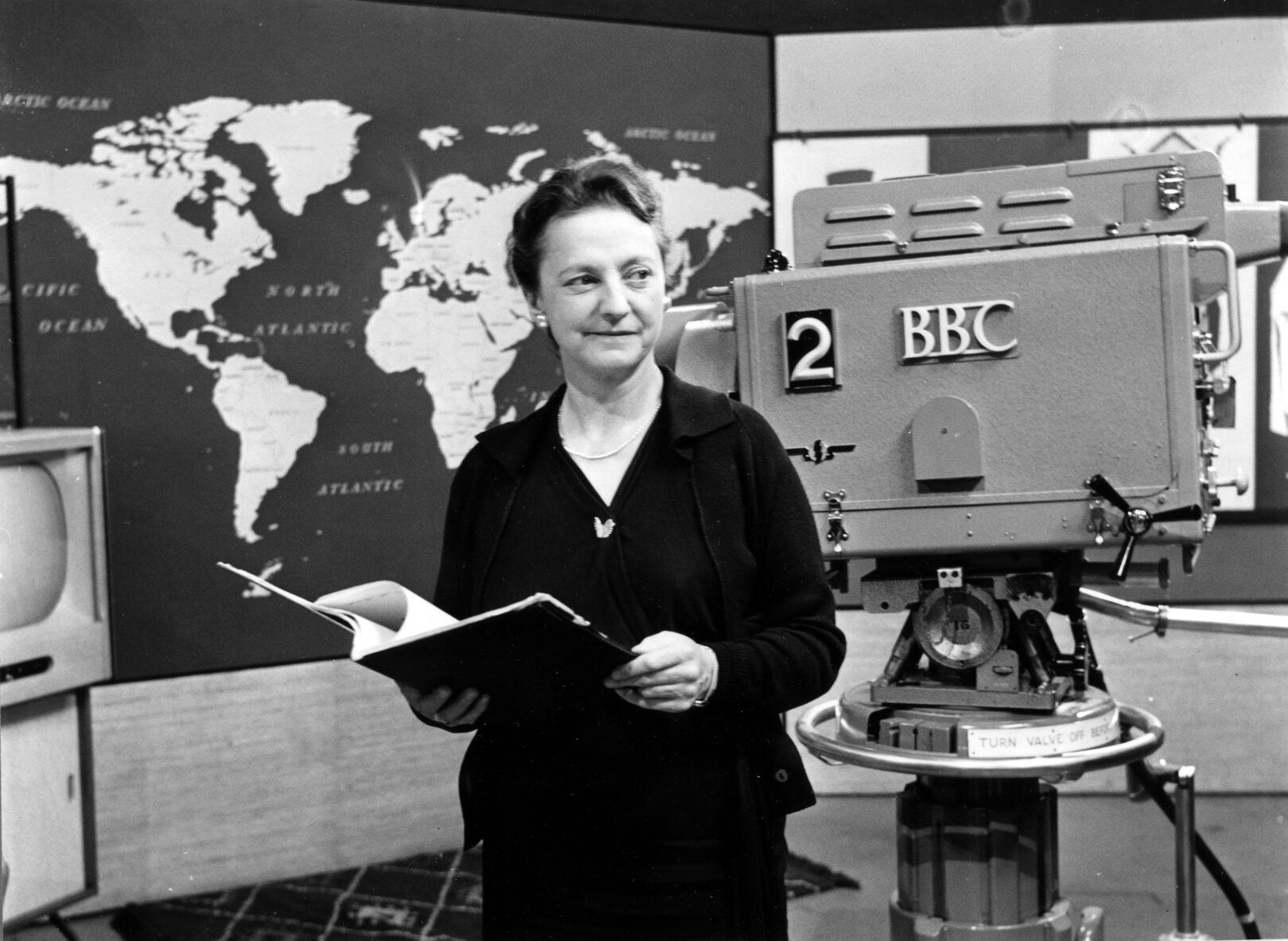
The 1950 General Election saw the BBC’s first televised election results programme, with Richard Dimbleby at the helm and pioneering producer Grace Wyndham Goldie behind its development.
Beginning at 10.45pm on 23 February 1950, the programme brought election results and analysis into people’s homes as events unfolded, establishing the immediacy of election-night television that audiences still recognise today.
9. The Coronation helped turn television into a mass medium
The Coronation of Queen Elizabeth II on 2 June 1953 became a landmark moment in British television history, watched by millions at home and accelerating the growth of television ownership across the country.
Continuity announcer Sylvia Peters introduced the BBC’s coverage, with Richard Dimbleby providing commentary from inside Westminster Abbey. The occasion demonstrated television’s extraordinary ability to bring a major national event directly into people’s homes.
10. Television news had to learn how to show the news
Daily BBC television news bulletins began on 5 July 1954 with News and Newsreel, as Alexandra Palace became central to the development of a dedicated television news service.
Television presented broadcasters with an entirely new challenge; news could no longer simply be heard; it had to be seen. The development of visual news reporting became another important chapter in the evolution of the medium and shaped television broadcast journalism as we know it today.