Connection, bricks and building the future: five things we learnt from our Heritage Skills panel…
On 3 June, we brought together a panel of leading voices in heritage conservation as part of our participation in the London Festival of Architecture. At a moment when over 1 million young people in the UK are out of work, education and training, what opportunities can heritage trades offer for fulfilling careers and a sense of belonging? And how does Ally Pally fit in?
Our panel was chaired by Hannah Parham (Historic England) and included conservation architect Faye Davies (Burrell Foley Fischer), architectural historian Neal Shasore, Lewis Proudfoot (Cliveden Conservation), and Ally Pally’s Head of Property and Engineering, Iain McDonald.
Here are five things we took away from their discussion:
1. Heritage careers need a PR reboot
Many vital heritage trades are endangered in the UK, and restoration projects on historic buildings are struggling to secure tradespeople with specialist skills, from stonemasonry to lime plastering.
In 2024, a Historic England survey of firms working on traditional buildings revealed that only 14% employ under-25s. Many young people don’t get exposed to opportunities in heritage trades. Our panel agreed that getting into the industry is still about who you know, not what you know.
2. Opportunities in heritage trades continue to grow
There’s huge potential for jobs in building conservation across the country. Historic England’s research shows that there is significant scope for heritage skills, learned by working in heritage spaces, to be transferred to other parts of the construction industry, such as building homes and sustainability projects. Meanwhile, our panel thought that most heritage trade skills were AI-proof.
3. Heritage trade skills mean working with your hands and your brain… and connect you to your community
The panel all talked about the joy of making tangible change to loved places. Using your hands, thinking on your feet and working in a ‘place’: heritage careers can be satisfying and centring. Restoring and conserving historic buildings changes communities. Doing the work yourself builds a physical connection and a sense of worth.
4. How heritage skills are taught and passed on needs to change
Heritage skills used to be passed down through families, with geographic links to specific trades. However, our panel noted that this tradition has also excluded people – especially women. There’s much more work to do, but new pathways into the sector are making change. Our panel also talked about opportunity for the needs and wishes of today’s communities to shape restoration projects, including the rich and diverse communities on Ally Pally’s doorstep in Haringey. As projects are shaped for current and future users, some craft practices may need to alter.
5. Ally Pally’s restoration is a big opportunity
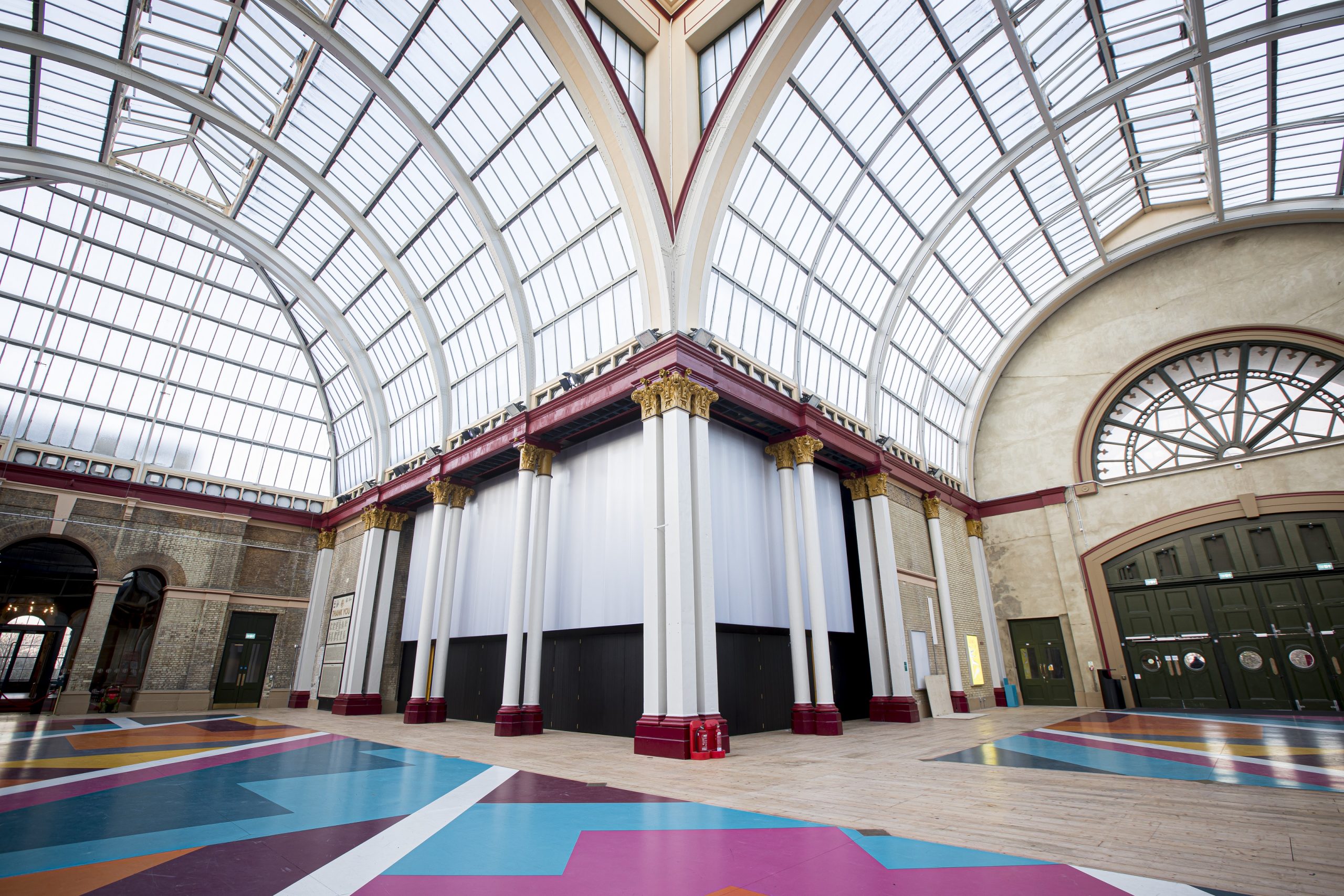
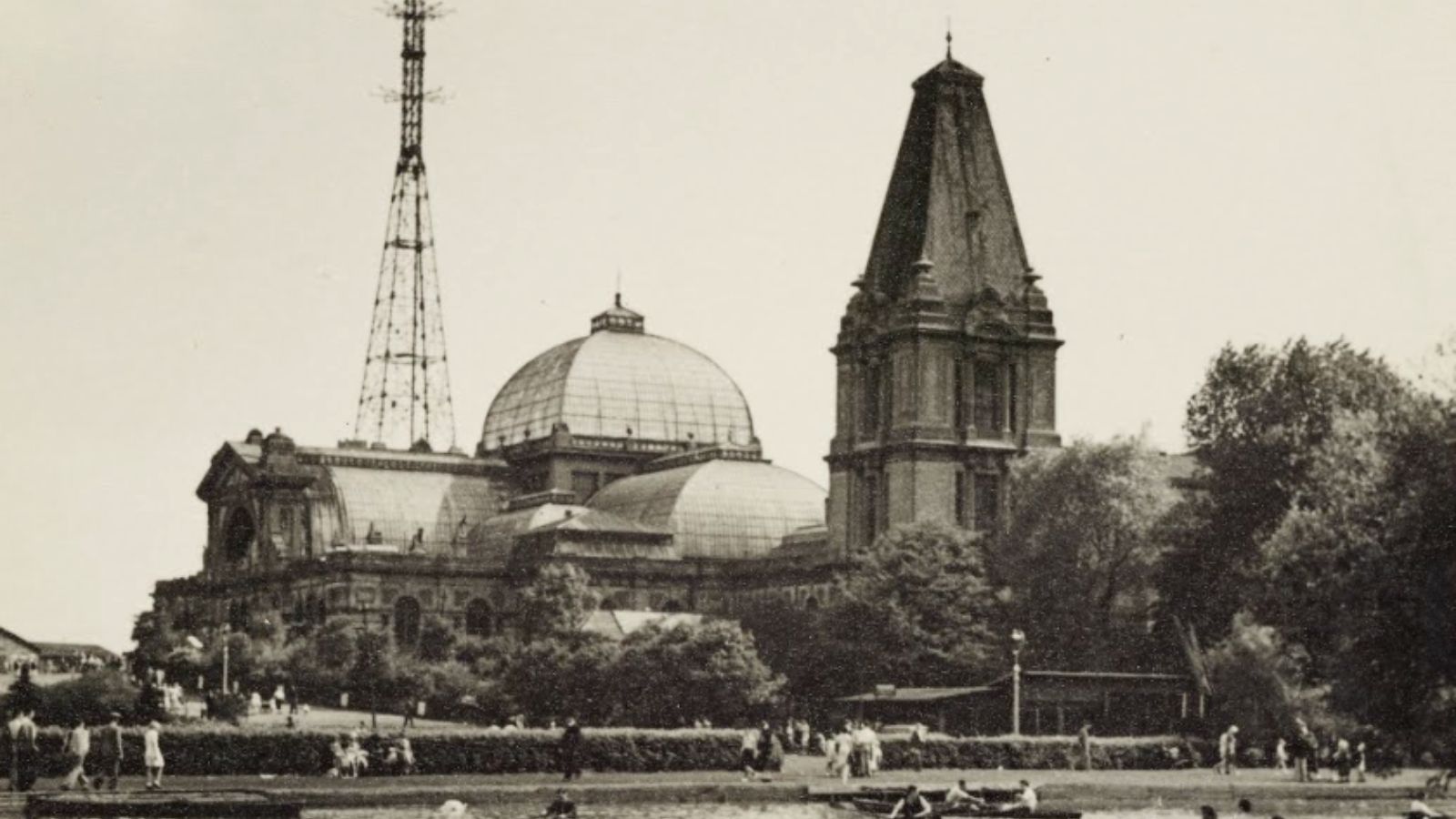
Big restorations have always been a catalyst for retraining trades in heritage skills, from Uppark House to Windsor Castle. Alexandra Palace has 15 million bricks and is as big as five Wembley pitches! Our panel touched on the role our restoration could play in training the next generation of heritage specialists, establishing longevity and ownership.
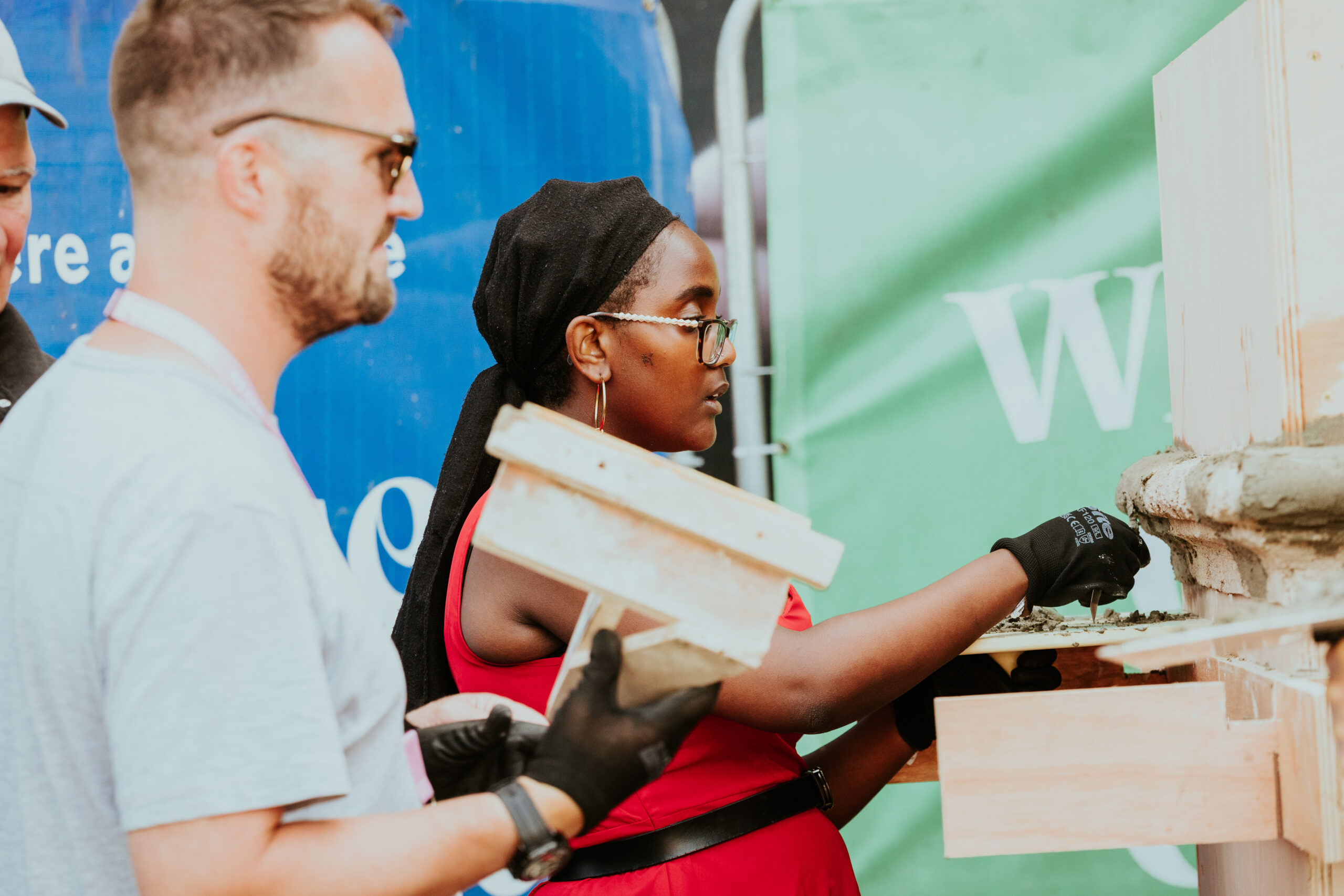
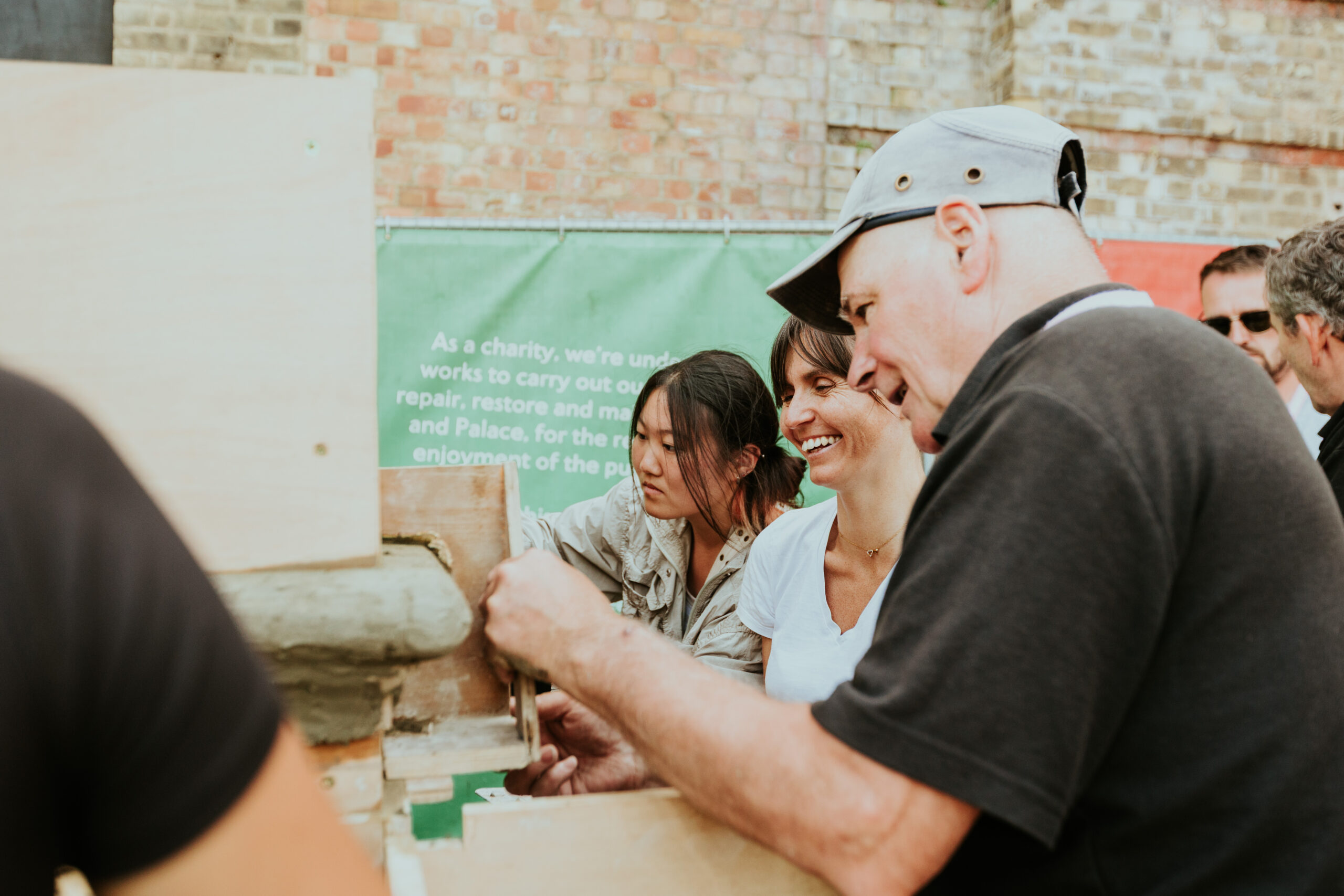
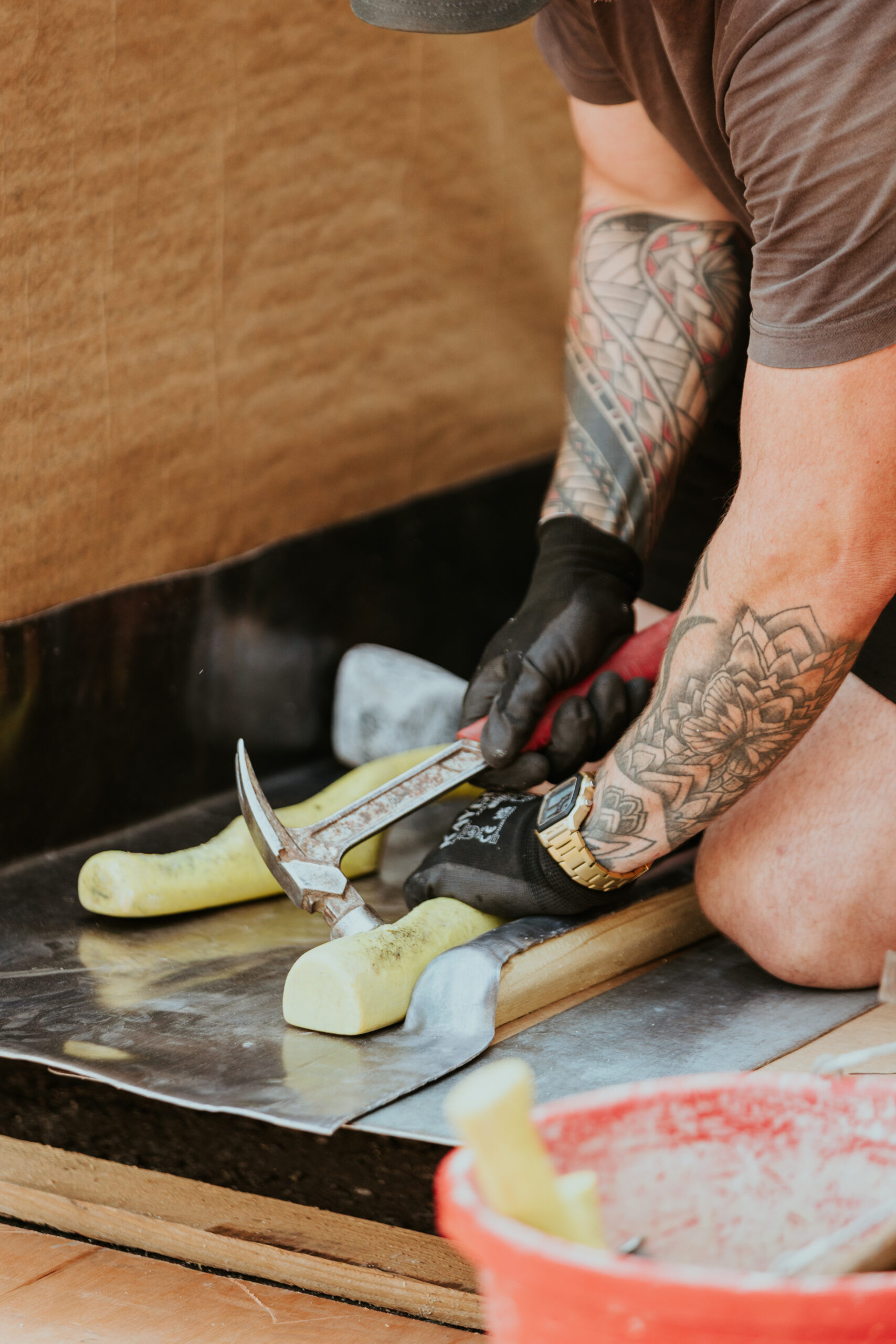
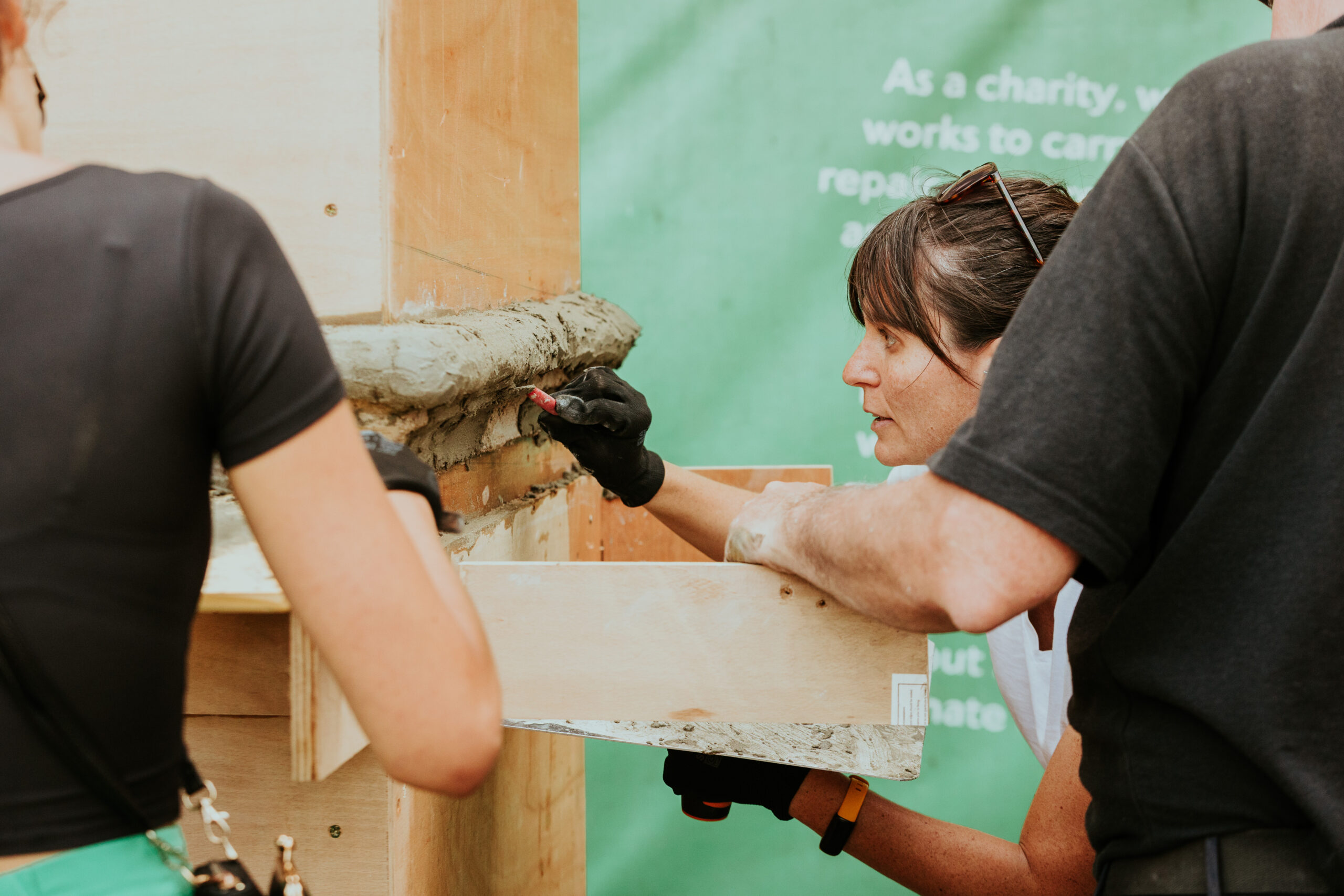
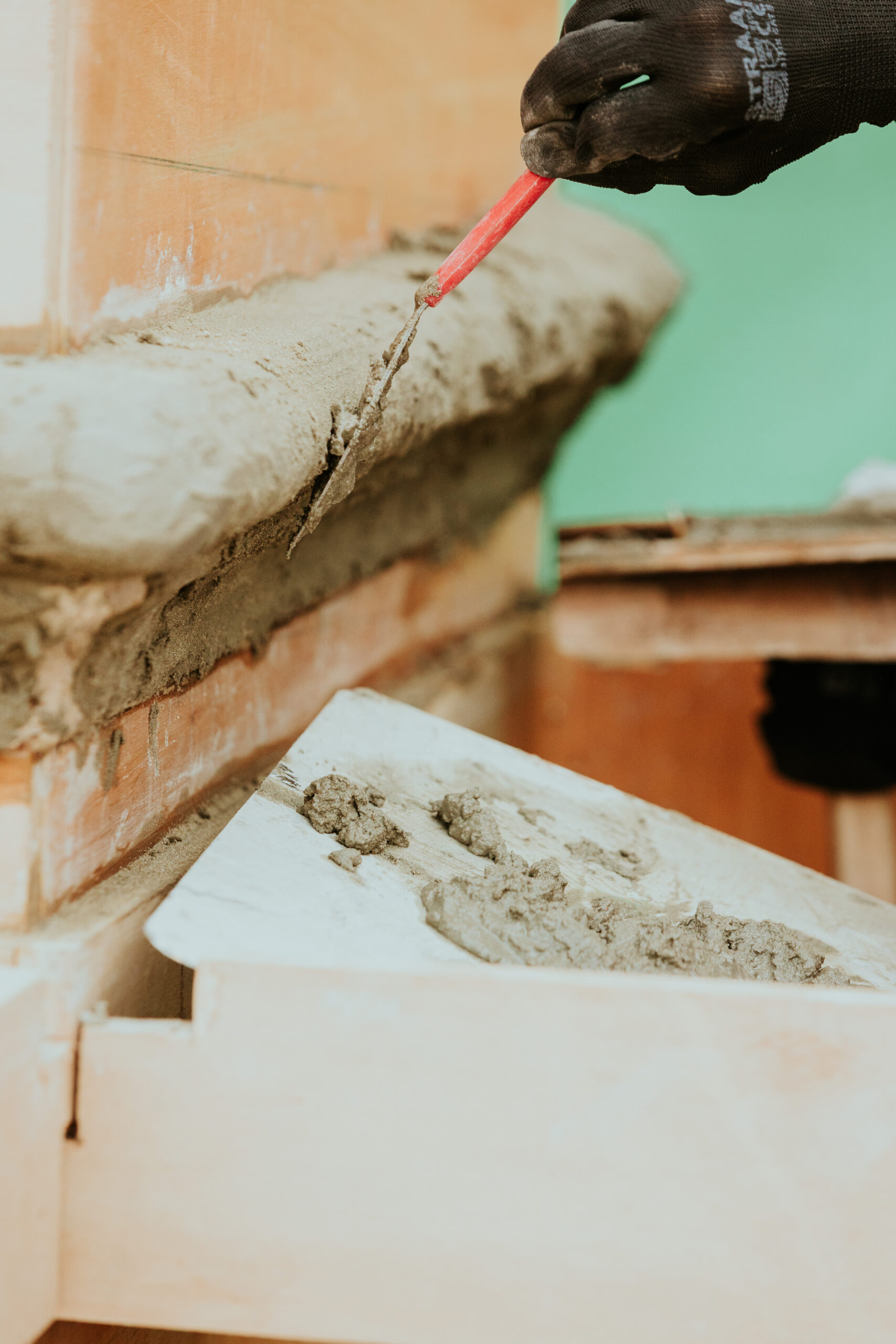
Following the panel discussion, the Ally Pally Property and Engineering team held a series of workshops to pass on their Heritage Skills expertise to members of the public. This included explaining the day-to-day life of caring for our historic Palace, before participants had the chance to try their hand at traditional heritage techniques such decorative cornice repairs and moulding techniques.